

Tenant rights with allergies
24-03-2026 | Legal Advice for LandlordsMost of the time, as a landlord, you’ll interact with potential tenants who are interested in the location of your property and are more concerned with the number of bedrooms.
But you’ll also come across tenants who have severe allergies and chronic respiratory conditions, and who will also be concerned with whether or not the carpets in your rental property are harbouring years of dust mites or if your bathroom holds black mould. Tenants with allergies have rights, and it’s important that you know what these rights are.
Moving into 2026, the legal regulations around tenants’ rights with allergies have shifted, and it’s imperative that you know how to support your tenants as the landlord. This is especially the case with Awaab’s Law and the Renters’ Rights Act 2025.
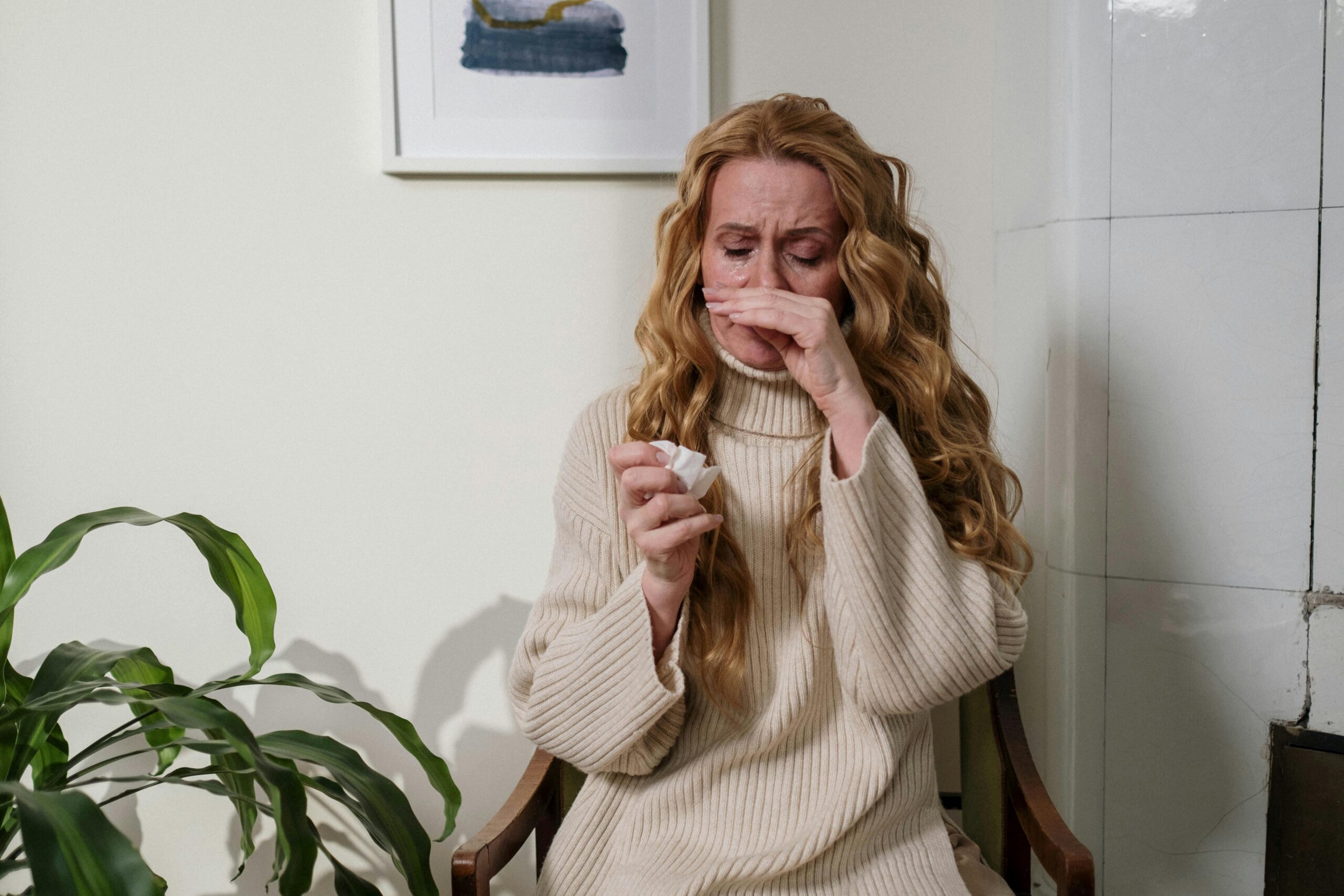
When an allergy becomes a disability
It is important to remember that a severe allergy can be legally classified as a disability, so it’s important to take the situation seriously. Make sure that you reference the Equality Act 2010 when dealing with tenants’ allergies rights.
There is a legal threshold
There is, however, a legal threshold for tenants when it comes to allergies and tenant rights. In order for tenants to qualify for protection, their allergies must be severe enough to have substantial and long-term adverse effects.
For example, if a tenant’s allergy to mould is causing them to have asthma attacks or prevents them from being able to sleep, it is classed as substantial. If the condition has lasted for at least 12 months, it will be classed as a long-term allergy. This is when you, as the landlord, have a legal duty to make reasonable adjustments.
Awaab’s law
Awaab’s Law is named after a tragic incident where a two-year-old, Awaab Ishak, died due to being exposed to damp and mould for a prolonged period of time. Awaab’s law is currently only applied to social housing, but the government is looking to extend similar protections to the private rented sector.
Under this law, landlords are required to investigate the cause of the mould and are no longer allowed to just paint over it. Here’s what you should do when dealing with mould in a rented property:
- 10-working-day investigation: You need to investigate the mould and what is causing it within 10 working days.
- Make-safe action (and follow-up works): if you have noticed a significant hazard in the rented property, you’ll need to carry out repairs within 5 working days of the investigation. You also need to provide your tenants with a written summary of your findings within 3 working days. If there are any long-term repairs that need to be made, they should be started immediately or physically started within 12 weeks.
- Emergency hazards: if the mould is proving to be a significant risk, you’ll need to investigate this and take the relevant action as soon as possible and within 24 hours to avoid health risks.
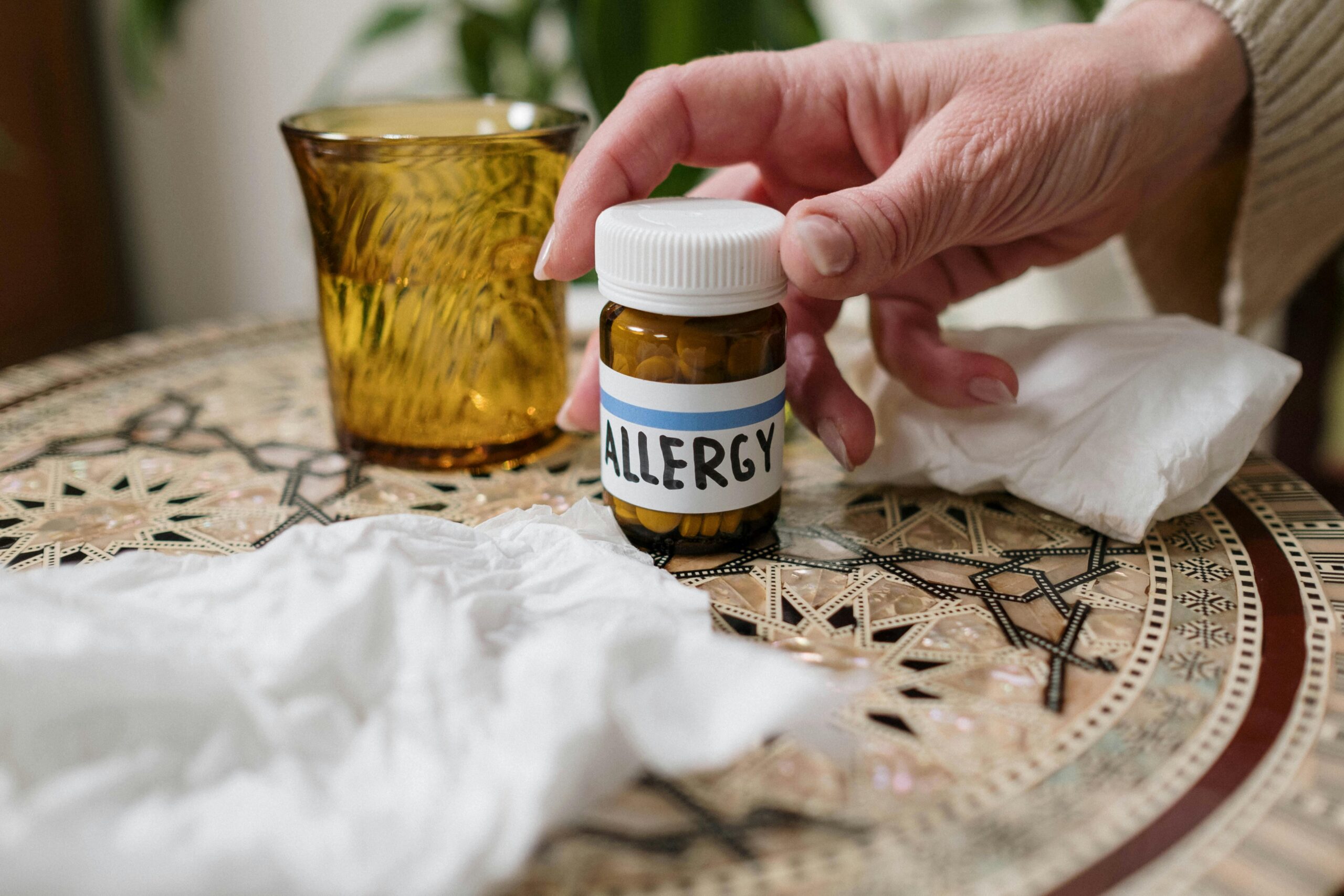
Reasonable adjustments as part of tenant rights with allergies
So, what is your responsibility as a landlord who has tenants with allergies? As mentioned above, consider making reasonable adjustments for your tenants, as part of their rights. Here are the rights of tenants with allergies:
1. Flooring and carpets
If you have a tenant with a severe and medically documented allergy, you’ll need to make sure you either replace your carpets with laminate flooring or vinyl or that they are properly cleaned. Carpets are a goldmine for dust mites and pet dander.
But who pays? If the carpet is in good condition, you won’t always be required to pay for the upgrade. It is also good to keep in mind that you won’t be able to refuse a tenant’s request for new carpets at their own expense.
Also, having laminate flooring or vinyl is a smart upgrade, as this will increase the value of your property, being more durable and easier to maintain.
2. Air filtration and HVAC
If you rent a property that is an apartment complex with a shared ventilation system, you have other tenants’ allergies rights to take into consideration. Your tenant has the right to request:
- The installation of HEPA-rated filters in shared HVAC units.
- To install their own high-grade air purification system if it requires minor structural mounting.
3. Pesticides and cleaning products
If your tenants have stated that they have certain sensitivities to chemicals, the routine maintenance of a shared building can become tricky to navigate. As a result of this, they have the right to request a 48-72 hour notice period before any chemicals are used in communal areas. This way, they can make sure they aren’t around when this takes place.
Alternatively, your tenants can request that you use scent-free or non-toxic cleaning products in the hallways that are immediately adjacent to their apartment.

Allergies vs. assistance animals
One of the most complicated scenarios regarding tenants with allergies rights will be in an HMO or shared building. This is due to the fact that there may be another tenant who is also living in the building that needs a support animal, and another tenant has a severe allergy to pets.
As you may well know, landlords are no longer able to place a blanket ban on tenants having pets; however, you are within your rights to refuse a pet if another tenant living in the same accommodation has a documented allergy that is severe and relevant to the specific support animal.
Service animals are different
Service animals are viewed as a medical tool, and not as a pet. So, if a neighbour has a service dog, you are not allowed to demand that the dog be removed. If this is the case in shared accommodation, you will need to provide your tenants with mutual adjustments, for example, installing extra air purifiers in communal hallways or making sure that these two tenants are placed on separate floors (this will help prevent pet dander).
Here’s how tenants need to request reasonable adjustments as part of their rights
There are certain things that your tenants will need to provide you with before you’re able to make reasonable adjustments to the property. For example:
- Providing a letter from their GP or allergist proving their allergies
- Next, they will need to send a formal request to you for the reasonable adjustments.
- As a landlord, you’ll need to engage with the process before just saying no. You’re within your rights to discuss alternatives with your tenants, too.
What happens if you don’t support the rights of tenants with allergies?
There can be severe consequences if you don’t take the allergies of your tenants into consideration if they have requested reasonable adjustments. For example:
- Your local council has the power to inspect your rental property and can issue you an Improvement Notice if there are certain improvements that need to be made.
- If you manage social housing, the Ombudsman can penalise you for failing to meet Awaab’s Law timelines.
- If, however, your property has caused a measurable decline in the health of your tenants, you can be sued for “Breach of Statutory Duty” or “Personal Injury”.
Your tenants shouldn’t have to worry about living with an allergy in your property. You can make sure that your tenants’ rights with allergies are supported. Having an understanding of the relevant housing regulations and laws, such as Awaab’s Law, you’ll find the process a lot easier. Always make sure that you’re proactive with your tenants and that you don’t wait for a flare-up that could be life-threatening.
As a landlord, you may also be looking for landlord insurance to help protect your investment. CIA Landlords has the knowledge needed to find a quote best suited to your needs. For more information on landlord insurance and managing your rental property efficiently, feel free to visit our advice centre. Otherwise, make sure to get in touch with our friendly team of specialists at CIA Landlord Insurance on 01788 818 670.
We won't be beaten on any like for like landlord insurance quote.
Get a quote