

A guide to the government’s Decent Homes Standard
24-03-2026 | Legal Advice for LandlordsFor the longest time, the Decent Homes Standard (DHS) was the benchmark for the standards of social housing. But, since the shift in the UK rental market, the government has extended this standard to the private rented sector (PRS), too, in conjunction with the Renters’ Rights Act 2025.
This is a strategic opportunity for landlords who can now protect their asset value, reducing long-term maintenance costs and will also support the creation of a more competitive rental market. Here, we’ll take a deep dive into the Decent Homes Standard, providing you with a proactive roadmap for being able to comply with the new standards.
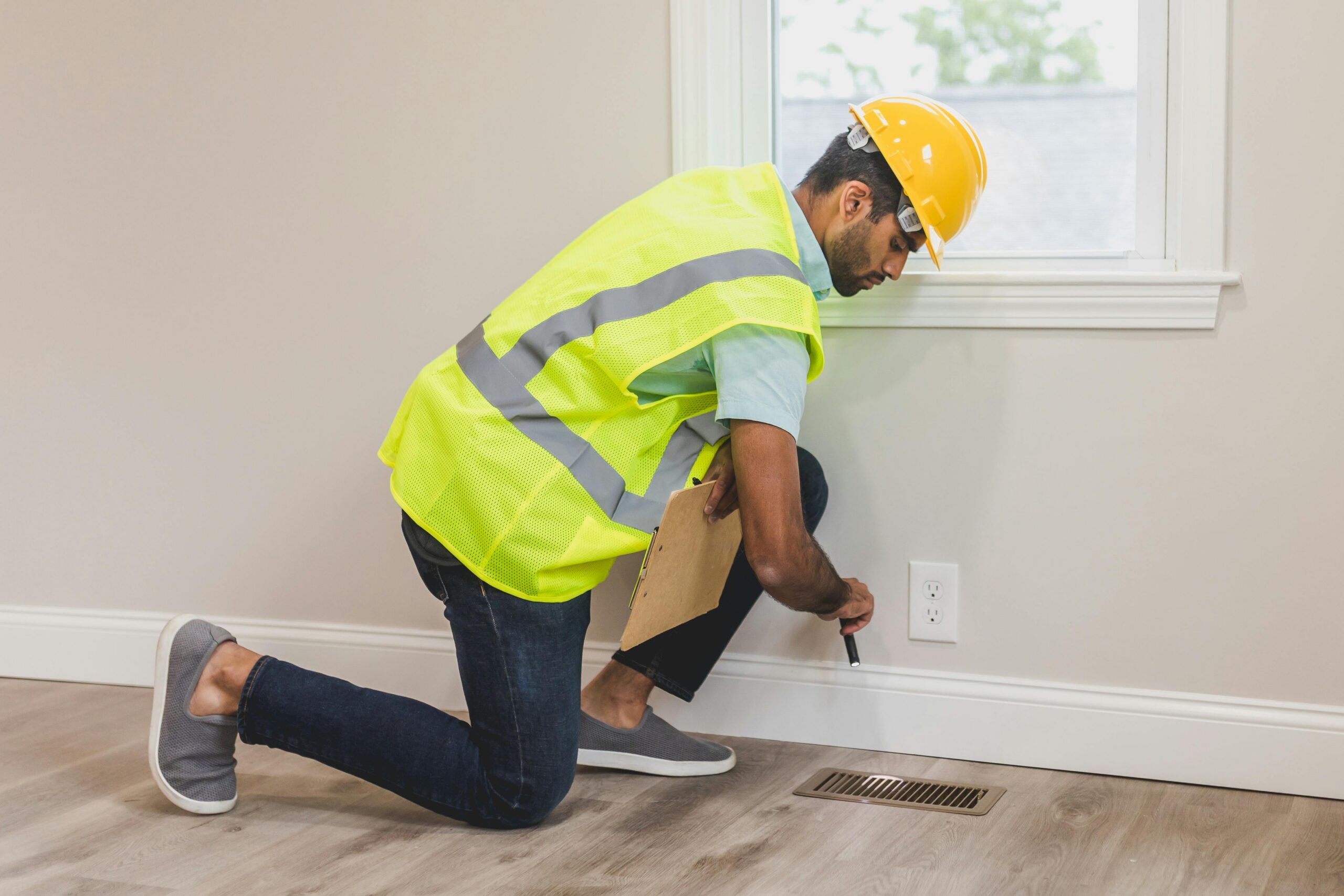
What is the Decent Homes Standard?
The Decent Homes Standard is a set of criteria that is designed to make sure that rental properties are safe, warm and well-maintained. Whereas the Housing Health and Safety Rating System (HHSRS) focuses on identifying specific hazards, the Decent Homes Standard provides a broader baseline for the overall condition and functionality of the property.
As of May 2026, the Renters’ Rights Act 2025 will begin a phased implementation of these standards, which will be legally enforceable for private landlords. If these standards are not met, landlords will be liable for financial penalties.
What are the five pillars of a decent home?
In order to meet the expanded standard, there are five core criteria that must be met, and if a rental property fails to meet even one of these five criteria, it will be classified as ‘non-decent’.
Criterion A (free from category 1 hazards)
According to the standards, the property will need to be free from serious health and safety risks, which include 29 potential hazards, including dangerous electrics, severe damp or a high risk of falls. One way to ensure that you stay on top of this is to conduct an annual health and safety audit to ensure category 1 hazards are taken care of before triggering an inspection.
Criterion B (reasonable state of repair)
Your rental property will fail if one or more key building components, such as the roof, walls, windows and heating systems, are in poor condition and need to be replaced. Be sure to maintain a 5-year plan that tracks all materials so that you can phase out ageing components rather than waiting for failure.
Criterion C (modern facilities and services)
The rental property must provide functional and appropriately located facilities, which means having a bathroom and kitchen with adequate spacing and that are reasonably up-to-date. This will need to have been updated within the last 20-30 years. So, if your kitchen is over 20 years old, you need to start thinking about making it more modern and optimising certain features.
Criterion D (thermal comfort)
Your rental property will need to provide a reasonable degree of thermal comfort and efficient insulation and heating. This is aligned with the government’s goal of all properties reaching an EPC rating of C by 2030. But don’t wait until 2030 to make sure your property is meeting these standards. By installing a new boiler, your tenants’ bills will be a lot lower, and you’ll be preventing dampness at the same time.
Criterion E (free from damp and mould)
Under Awaab’s Law, you’ll need to adhere to strict timeframes when having to investigate and repair damp and mould. So, make sure that you respond to reports of damp and mould within 24 hours, reassuring your tenants that your intentions are to repair it. With early intervention, you’ll save on costs, too.

Key dates to remember that are aligned with the Decent Homes Standard
Although the implementation of the Decent Homes Standard is a long journey, there are dates that you should be aware of, as they are fast approaching.
| Date | Milestone |
| May 1, 2026 | Renters’ Rights Act implementation- No-fault evictions end, and the Decent Homes Standard begins its phased rollout into the PRS. |
| 2026–2027 | Awaab’s Law expansion – Mandatory timeframes for fixing hazards (starting with damp/mould) extend to all hazards. |
| 2030 | The EPC target is a C rating in all private rental properties. |
| 2035 | Full implementation of all regulations, and for 100% of the PRS to meet the new Decent Homes Standards. |
Why proactive compliance is a business opportunity
Meeting the Decent Homes Standard is about protecting your investment and ensuring that your tenants are living in a safe property. But this is not the only benefit:
- Asset protection: Regularly ensuring your property is maintained will prevent smaller issues from becoming larger ones that cost more financially.
- Tenant retention: Your tenants will be more likely to stay in your property for longer periods of time if they are warm and safe. This will minimise your void periods and agency fees.
- Legal security: If you are legally compliant with the upcoming PRS database, you’ll be able to regain possession of your property a lot more easily should you ever need to sell or move back in yourself.
With the expansion of the Decent Homes Standard, you need to ensure that you are a more involved landlord who keeps on top of maintenance and ensures your tenants are looked after. It is clear that the government views the PRS as a vital professional service, so it is in your best interest to engage in a similar way with it.
Feel free to visit our advice centre for more information on how to manage your rental property. Our team of specialists are also here to help you find the best-suited quote to your needs, so make sure you get in touch on 01788 818 670.
We won't be beaten on any like for like landlord insurance quote.
Get a quote