

Fixing property subsidence
24-03-2026 | Legal Advice for LandlordsProperty subsidence is the downward movement of the ground beneath a building’s foundations occurring independently of the building’s weight. For any landlord, fixing property subsidence is a priority due to the risks involved with it. The stakes are high with tenants because there is a potential for loss of rental income if you neglect fixing subsidence in houses while renting to tenants.
But, property subsidence isn’t an automatic death sentence for your property investment. The risks can be prevented early on with early detection and having professionals help fix the issue. Fixing subsidence in houses can become a more manageable task. Here, we’ll go through the steps you can take to navigate the structural and financial risks involved with property subsidence.
What is property subsidence?
First, let’s take a look at what property subsidence actually is. It is the downward movement of the ground beneath a building’s foundations occurring independently of the building’s weight. When talking about settlement, however, it refers to the natural compacting of soil, which usually takes place shortly after a new property has been built. So, it is important to understand whether or not you’re dealing with property subsidence or settlement before taking action.
Subsidence takes place when there is a serious structural issue with the building, signifying that the ground support has become fundamentally unstable. So when the soil sinks, it pulls the foundation down with it. This leads to a shift in the building’s equilibrium, which results in visible structural damage.
The most common cause of property subsidence in the UK is clay shrinkage because it expands when wet and shrinks when dry. When the clay shrinks, it will naturally create voids beneath the property. There are also cases where there are large trees that have been planted too close to the property, which will draw more moisture from the soil. But there are also other triggers for property subsidence, such as leaking drains or burst water mains, that may wash away loose, sandy soil. It is important to identify property subsidence as early as possible so that you can prevent long-term devaluation.
Is it subsidence or just settlement?
The first step to take will be to recognise whether or not you are looking at property subsidence or just settlement. When it comes to settlement, it would mean that the house is still finding its feet, whereas with subsidence, the ground is actually sinking beneath the foundation.
The red flags of property subsidence
Here’s what to look out for when you think you may be facing property subsidence over the settlement of the foundation:
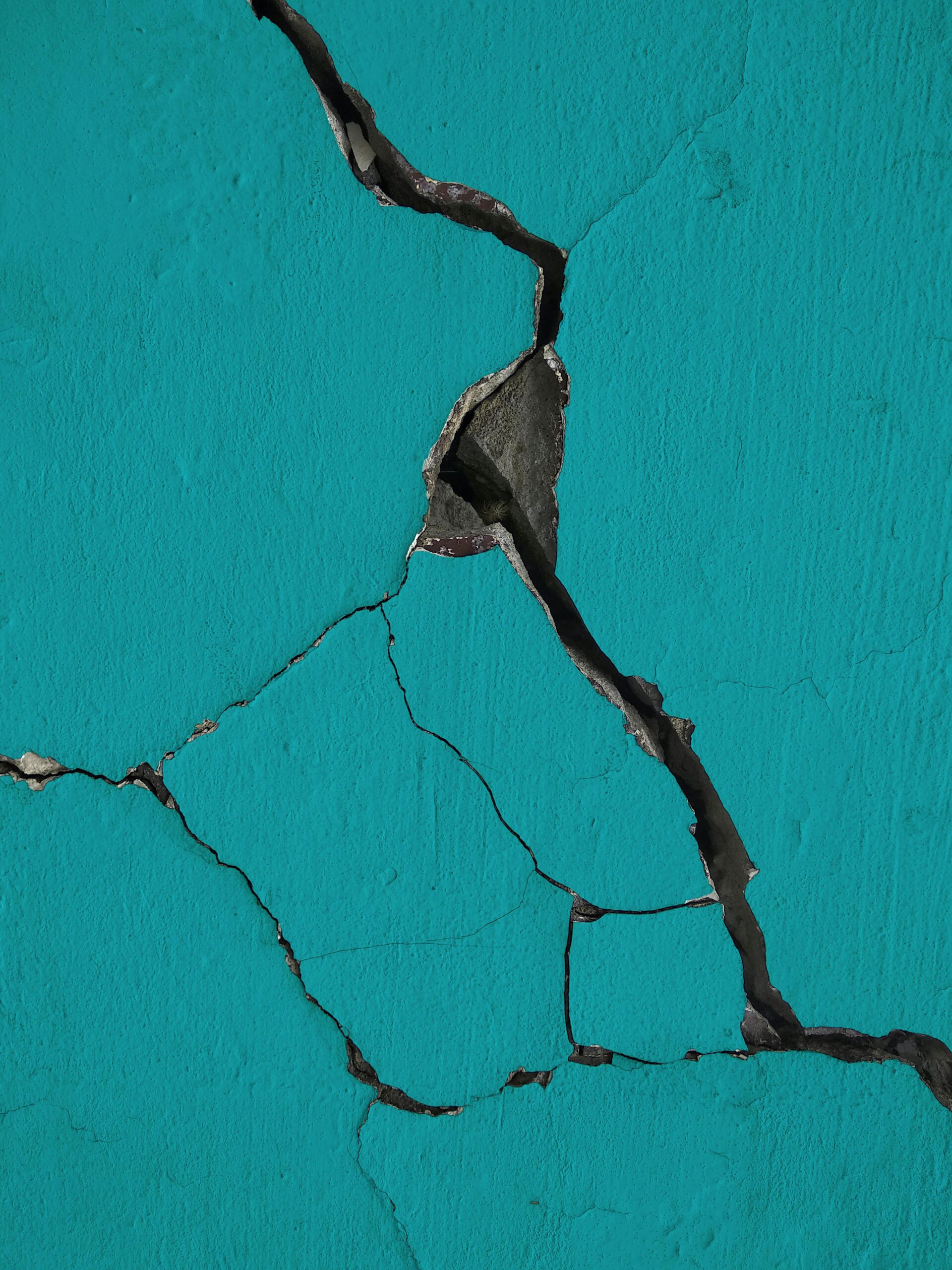
- Diagonal cracks: Make sure to look out for cracks that are identifiably larger at the top of the crack compared to the bottom (this is usually thicker than 3mm).
- Inside and out: A true structural crack will be visible both inside and outside the property in the same location.
- Door and window alignment: If you begin noticing that doors and windows are suddenly dropping out of their frames, this could be a sign that the house is shifting.
- Wallpaper rippling: Ensure you also look for crinkling at the joints between walls and ceilings that show the structure is pulling apart.

The immediate action plan
Your initial call should be to your landlord building insurance provider rather than a builder. Subsidence is a specialised area of insurance, which most standard insurance policies cover, but may come with a significant excess.
- Do not attempt DIY repairs: Never patch up the crack with filler before you’ve had the property inspected, as this can be seen as concealing the problem and can have an adverse effect on your claim.
- Specialist monitoring: Your insurance provider will most likely appoint a structural engineer to monitor the progress of the property subsidence. This will involve placing tell-tale gauges over the cracks and taking data on the progress over a 6 to 12-month period. This way, the professional will be able to tell if the movement is live or historic.
Fixing property subsidence
Once the cause of the property subsidence is identified (clay shrinkage, leaking drain washing soil away, or tree roots sucking up moisture), the repairs can begin. Here are different methods that could be used when fixing subsidence in houses:
- Underpinning: Underpinning is a traditional method that involves excavating beneath the existing foundations and pouring new concrete over them to create a more stable base.
- Resin injection: Professionals could also use a less invasive alternative to inject resin into the ground. This will then expand and fill the voids and compact the soil. This should help lift the house back to its original position.
- Tree management: There may also be times when all that needs to be done is for the thirsty tree to be removed, allowing the soil to rehydrate and stabilise.

Managing your tenants during property subsidence repairs
One of the most difficult parts of fixing subsidence in houses will be the impact this has on your tenants. Here are the steps you should take to ensure your tenants are comfortable.
- Transparency is key: Always ensure that your tenants are kept informed. Explain the monitoring process to them and that it is a safety precaution. Also, make sure you explain to them that the house is not in any immediate danger of collapse (if this is the case).
- Access requirements: Ensure that you give your tenants 24 hours’ notice for engineers and surveyors needing access to the property. Try your best to work with the tenant’s schedule in order to minimise inconvenience as much as possible.
- Alternative accommodation: if invasive underpinning is required, this may make the property difficult to live in for your tenants. Check your insurance policy for ‘alternative accommodation’ cover, as it may cover the costs of your tenants being rehoused for a short period of time until the work is completed.
Future-proofing and saleability
Once your property has been repaired, you’ll need to secure a Certificate of Structural Adequacy. This document is important in being able to sell the property in the future, should you wish to. Your insurance premiums may be slightly higher with a history of property subsidence, but your property will also be a lot more stable once it has been checked and repaired.
Feel free to visit our advice centre for more information on how to manage your rental property. Our team of specialists are also here to help you find the best-suited quote for your needs, so make sure you get in touch on 01788 818 670.
We won't be beaten on any like for like landlord insurance quote.
Get a quote