

What is green leasing?
06-01-2026 | Property Maintenance & InteriorsIt’s no secret that the impact of property and real estate on the environment has been negative. Property owners and managers are trying to balance their need for profitability with any rising operational costs and the increasing demand to ‘go green’. Typically, traditional leases can create tension between landlords (looking to pay for capital upgrades) and tenants (benefiting from lower utility bills), which can result in delayed sustainability initiatives. This is where green leasing comes in. ing
But what is green leasing?
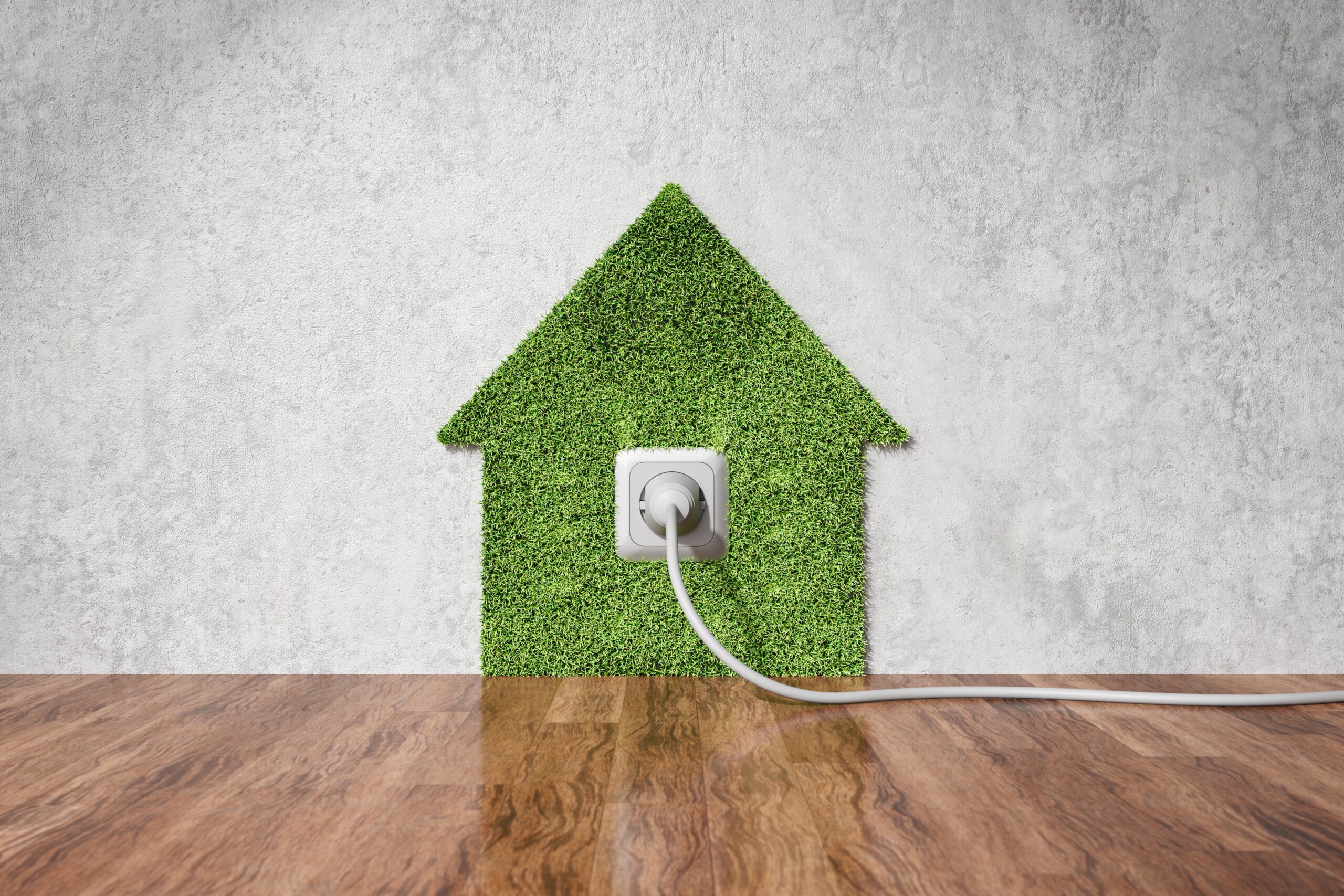
When looking at green leasing, it can also be referred to as a ‘high-performance lease’ or an ‘energy-aligned lease’. Basically, it is a standard lease agreement that highlights both the landlord’s and the tenant’s responsibilities to ensure that the building operates in an environmentally friendly way.
Now, the relationship between a landlord and a tenant becomes collaborative, rather than being transactional, making sustainability a shared goal. Both financial and environmental burdens are distributed equally between the parties.
How does green leasing work?
The main driving factor for green leasing is the clear delineation of roles and responsibilities, with a shared responsibility for data accountability. Let’s take a deeper look at both a landlord’s and a tenant’s roles when it comes to green leasing.
Landlord’s role in green renting
Owning your property means that it is your responsibility to put certain measures in place to ensure it functions in a way that is beneficial to the environment. For example:
- Installing high-efficiency HVAC systems, lighting, and insulation.
- Implementing water conservation fixtures (low-flow toilets, xeriscaping).
- Investing in or facilitating on-site renewable energy generation.
The tenant’s role
Your tenant will need to agree to maintain or enhance the energy performance of the building within their daily operations, whether it be a commercial tenant or a residential tenant. These operational commitments are what will bring down the costs of maintaining the property. For example:
- Adopting energy-saving habits (e.g., proper equipment shut-down procedures).
- Participating in building-wide recycling and waste management.
- Only installing energy-efficient appliances or equipment within the property.
Key features of green leasing
As mentioned above, green leasing incorporates specific clauses that are designed to integrate environmental performance into the agreement between you, as the landlord, and your tenants.
Resource efficiency
One of the main pillars of green leasing or renting is the focus on reducing resource consumption, along with maximising operational efficiency to save money. As part of this, both parties need to commit to energy efficiency standards, using energy-efficient lighting, upgraded HVAC systems and renewable energy sources.
Another key focus is water conservation through the mandatory installation of water-saving fixtures and systems, with tenants agreeing to save on water usage within daily operations. Alongside this, waste management is another key feature of green leasing. Waste management clauses should outline strategies for waste reduction and robust recycling programmes.
Operational and regulatory compliance
Building and property management should incorporate sustainable practices directly into the maintenance and operational activities, ensuring that maintenance and operational tasks have a low impact on the environment.
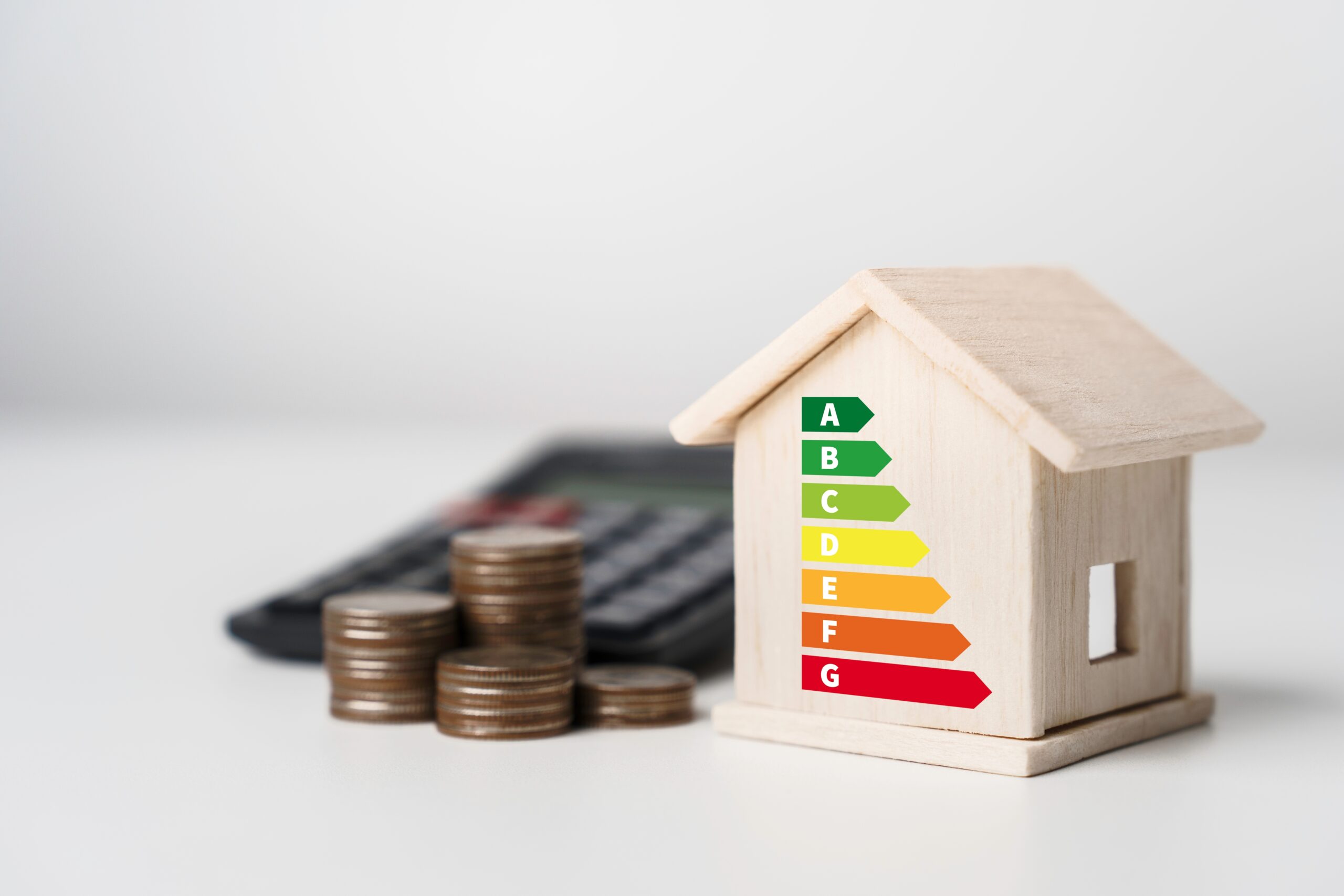
Also, green leases require that landlords implement environmental reporting, allowing for regular reporting on energy and water consumption data, as well as complying with sustainability goals. In line with this, green leasing ensures that landlords and tenants are compliant with Minimum Energy Efficiency Standards (MEES). This way, the lease ensures that the property meets or exceeds sustainability requirements.
Transparent data sharing
To be able to implement a green lease successfully, you’ll need to be transparent with your tenants, vice versa. You should ensure that your clauses highlight that your tenants share their utility consumption data with you on a regular basis. This is important in green renting because:
- It ensures that environmental targets are being hit
- It pinpoints where additional savings can be made
- It proves that your investments, as the landlord, play a part in the reduction of your tenant’s operating costs.
Enhancing value and reducing costs for green renting
As a landlord, green leasing is a powerful business strategy, as well as an environmental initiative. Here are the benefits of green leasing:
- Enhanced property value: Property with verified environmental performance data tends to command higher occupancy rates and sale prices as it is seen as a lower-risk asset.
- Reduced operating costs: When both landlord and tenant work cohesively to implement green leasing, it leads to significantly lower utility bills for the tenant, which automatically makes the property more attractive. This means that you’ll have lower maintenance costs over time.
- Mitigation of risks: Your property will be future-proofed against rising carbon taxes, increasing utility rates, and strict regulatory requirements when sustainable practices are implemented.
- Competitive advantage: In an era of heightened ESG (Environmental, Social, and Governance) investing, tenants are actively seeking out green renting options. So, when you implement sustainable practices within your property, you’ll have that competitive edge over your competitors.
So, where there may have been conflict before between landlords and tenants with regard to cost, there is now an opportunity for a powerful and efficient partnership between both parties that reduces operational costs of the property while enhancing the performance of the property. This way, your property becomes a more valuable asset.
For more information on landlord insurance and how to ensure your property is sustainably managed, feel free to visit our advice centre. Otherwise, make sure to get in touch with our friendly team of experts at CIA Landlord Insurance on 01788 818 670.
Landlord Insurance from £11.97 per month*
Get a quote