

Your Guide to Spring Property Maintenance
16-06-2026 | Damaged PropertyAs a landlord, maintaining your rental property over the winter can become difficult. Between the heavy rain and freezing temperatures, your rental property will easily become subject to wear and tear. So, as the weather starts to become warmer, spring property maintenance becomes a necessity because landlords are now able to assess the damage caused in the winter months.
By carrying out a thorough property maintenance check, you’ll be able to spot any damage early on, which will end up saving you a lot of money. This could help prevent bigger emergencies later down the line. Another benefit of this is that contractors are usually a lot easier to book in the spring compared to the peak summer and winter months.
So, to help protect your rental property and keep your tenants safe, we’ve put together a landlord-focused spring checklist for your home and garden. We’ve designed this to reverse winter damage and to prepare your rental for the months ahead.
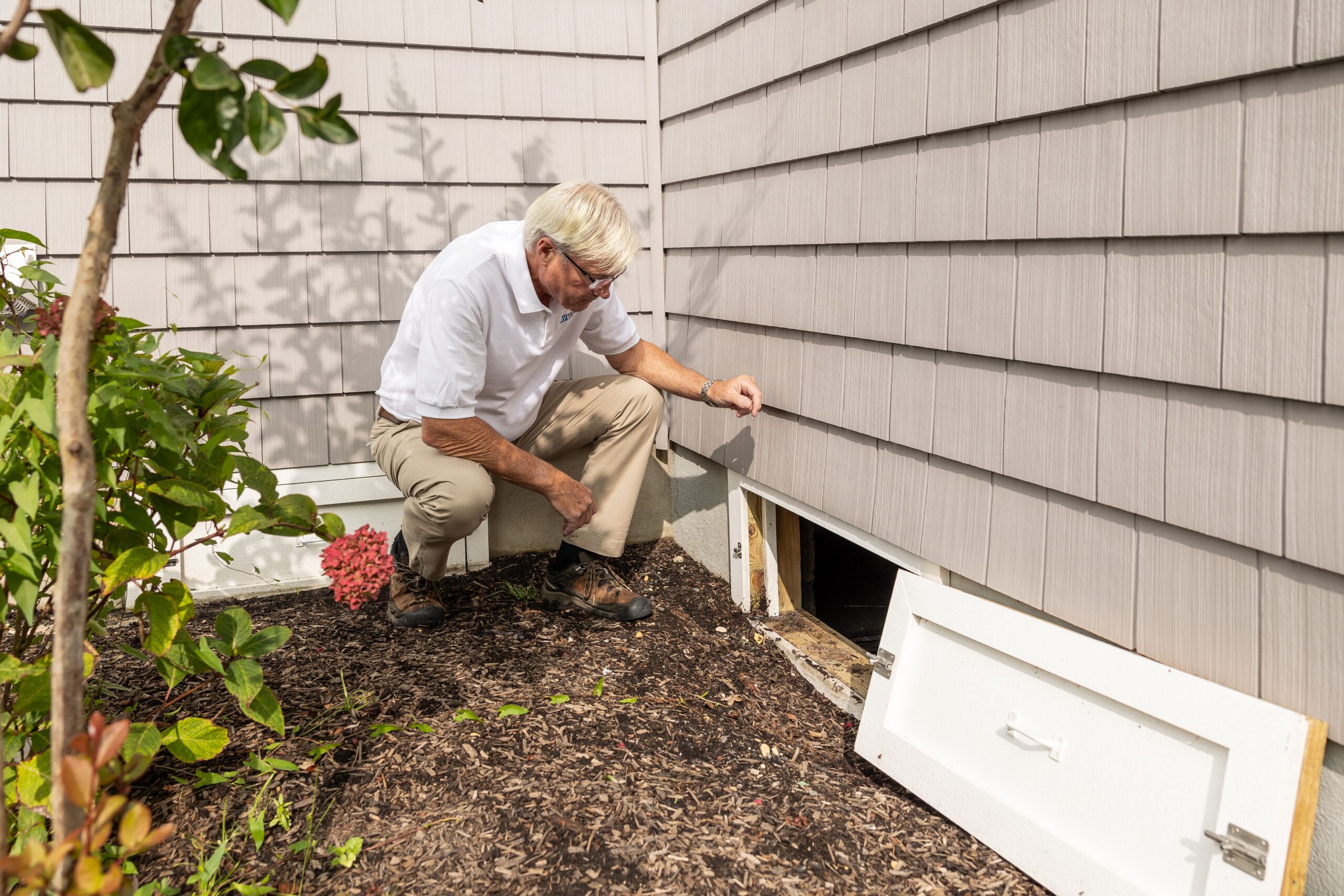
Why is Spring Property Maintenance Important?
Spring property maintenance is important for landlords because it is another way for you to be able to protect your investment in a more proactive way. Here’s why:
- Clear visibility: Due to the summer days being longer, it is a lot easier to be able to identify any roof damage, structural cracks and external damp issues.
- Cost prevention: Brickwork often starts to crack due to freezing water expanding. This causes roof tiles to lift and pipes to split. So, by being able to identify these in spring, you’ll be able to prevent April showers from flooding your house.
- Tenant retention: When you can show your tenants that you’re a proactive landlord, you’ll be able to foster a good relationship with them. It will also encourage them to look after the property themselves.
Your Spring Property Maintenance Checklist
Here is our spring property maintenance checklist for your home that you can use during your next scheduled property inspection or void period. This will ensure that you don’t miss anything.
Step 1: Roof, Gutters, and Drainage
The first step in spring property maintenance is to check over your roof, gutters and drainage. Winter storms are notorious for displacing roofing materials and clogging your drains with debris.
- Clear the gutters: Make sure that you clear out the buildup of winter leaves, moss and silt because blocked gutters will cause water to overflow down external walls, resulting in internal damp.
- Check the roof: Next, you’ll need to check your roof, specifically for slipped, cracked or missing tiles, including damaged flashing around your chimney and valley.
- Inspect downpipes: Also, look for cracks or loose brackets to make sure that rainwater flows freely away from your property’s foundations.
Step 2: External Structure and Boundaries
Next, you’ll need to inspect your boundaries and external structure. Freezing temperatures, as mentioned before, will cause trapped water to expand. So, what should you do?
- Inspect brickwork and pointing: The first step here will be to look for areas in your property where mortar has crumbled away. Keep in mind that damaged pointing will cause water to creep in through any cavities in the wall/structure.
- Assess fences and gates: Heavy winds during winter will take a heavy toll on your boundaries, so make sure you look out for rotten fence posts, loose panels or gates that need repairing, that could potentially compromise the security of your rental property.
- Step and pathway safety: Next, make sure that you check that any paving stones haven’t lifted or become uneven. This could cause a trip hazard for your tenants and their visitors.

Step 3: Gardens and Trees
Garden maintenance is just as important, and as you may already know, spring is synonymous with a lot of growth, making it even more important to manage your outdoor space in a way that prevents structural damage as much as possible.
- Prune overhanging branches: The first step is to cut back any tree branches that have been weakened by winter storms or that may be growing too close to your windows, gutters or the roofline.
- Clear communal paths: You need to ensure that your pathways are clear of winter algae or moss because this will become slippery when wet.
Step 4: Windows, Ventilation, and Damp
There may also be a build-up of mould and condensation due to tenants keeping windows closed during the winter months.
- Inspect seals and frames: First of all, you should look for signs of rot with timber window seals and make sure that the silicone seals on uPVC windows aren’t cracked or have perished.
- Test ventilation: As a landlord, you should make sure that there is good ventilation in your rental property. Ensure that you have extractor fans in the kitchen and bathrooms, and that they are fully functional. This will help maintain indoor air quality.
- Look for water ingress: Inspect the property for tide marks or peeling paint, as this will indicate winter leaks. Look around chimney breasts and top-floor corners.
Step 5: Security and External Fittings
Lastly, ensure that the hardware used to keep your property secure is still fully functional. Here’s how you can do this:
- Check locks and hinges: Make sure that your external gates and doors still close and lock smoothly. Winter moisture can often cause damage to this.
- Test external lighting: Check that your motion-sensor security lights are still working so that your rental property will still be well-lit, as they can also suffer from water ingress.
Maximising the Inspection
So, whether you are performing the spring house maintenance assessment between tenancies or are in the process of arranging mid-tenancy visits to your property, make sure that you give your tenants enough notice before you show up for the inspection.
When you make your way through the spring house maintenance checklist. You’ll be able to rest assured, knowing your property is legally compliant and structurally sound.
Are you looking for landlord insurance to help protect your rental property? Be sure to get in touch with our team of specialists for a quote today on 01788 818 670, or you can visit our advice centre for more information on how to manage your rental property.
We won't be beaten on any like for like landlord insurance quote.
Get a quote