
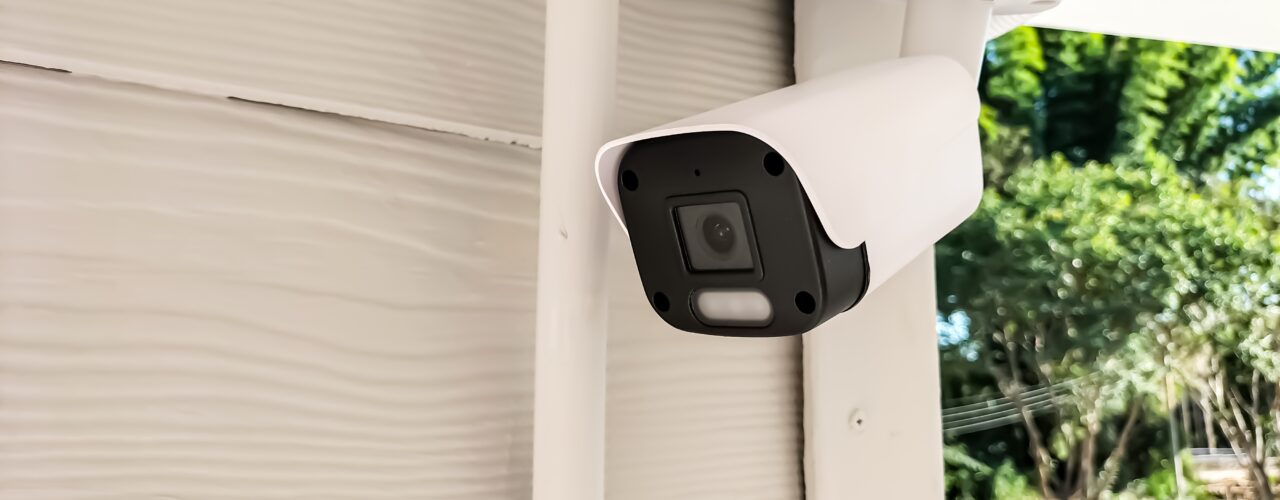
Can landlords use security cameras in rental property?
18-07-2025 | Landlord and Tenant DisputesThe idea of using security cameras in a rental property sounds beneficial, as it will allow landlords to increase tenant safety by monitoring thieves and intruders. But there are several things to consider and some actions to take before installing a security camera in a rental property. This is also the case if the landlord installs a camera outside the rental property.
This comprehensive guide explains when and where landlords can use surveillance cameras and how they should inform tenants about their use. The article will also cover GDPR and data protection laws, enabling you to comply with the relevant regulations. We’ll conclude with tips on how to include information about cameras in the tenancy agreement.
Can landlords use security cameras in rental property?
Yes, landlords can use security cameras in a rental property, provided they comply with legal requirements and respect the privacy of their tenants. The use of the camera must be for a legitimate reason, such as preventing crime, ensuring tenant safety or preventing property damage.
Where can landlords use security cameras in rental property?
Tenants have a right to privacy, and this must be respected when installing security cameras in a rental property. Therefore, cameras cannot be installed in areas where tenants expect privacy, such as bathrooms and bedrooms.
It is common to install the camera outside a rental property. Doing so will allow both landlords and tenants to benefit from the use of surveillance footage. These benefits include;
- Increasing tenant attraction: Tenants may feel safer in a property with cameras, as they serve as a common deterrent to thieves and criminals. Having a broader tenant attraction helps reduce the chances of a void period.
- Reducing crime: Visible security features, such as cameras outside a rental property, will deter criminals. In turn, this will reduce the amount of stress and potentially reduce repairs and maintenance if a break-in does happen.
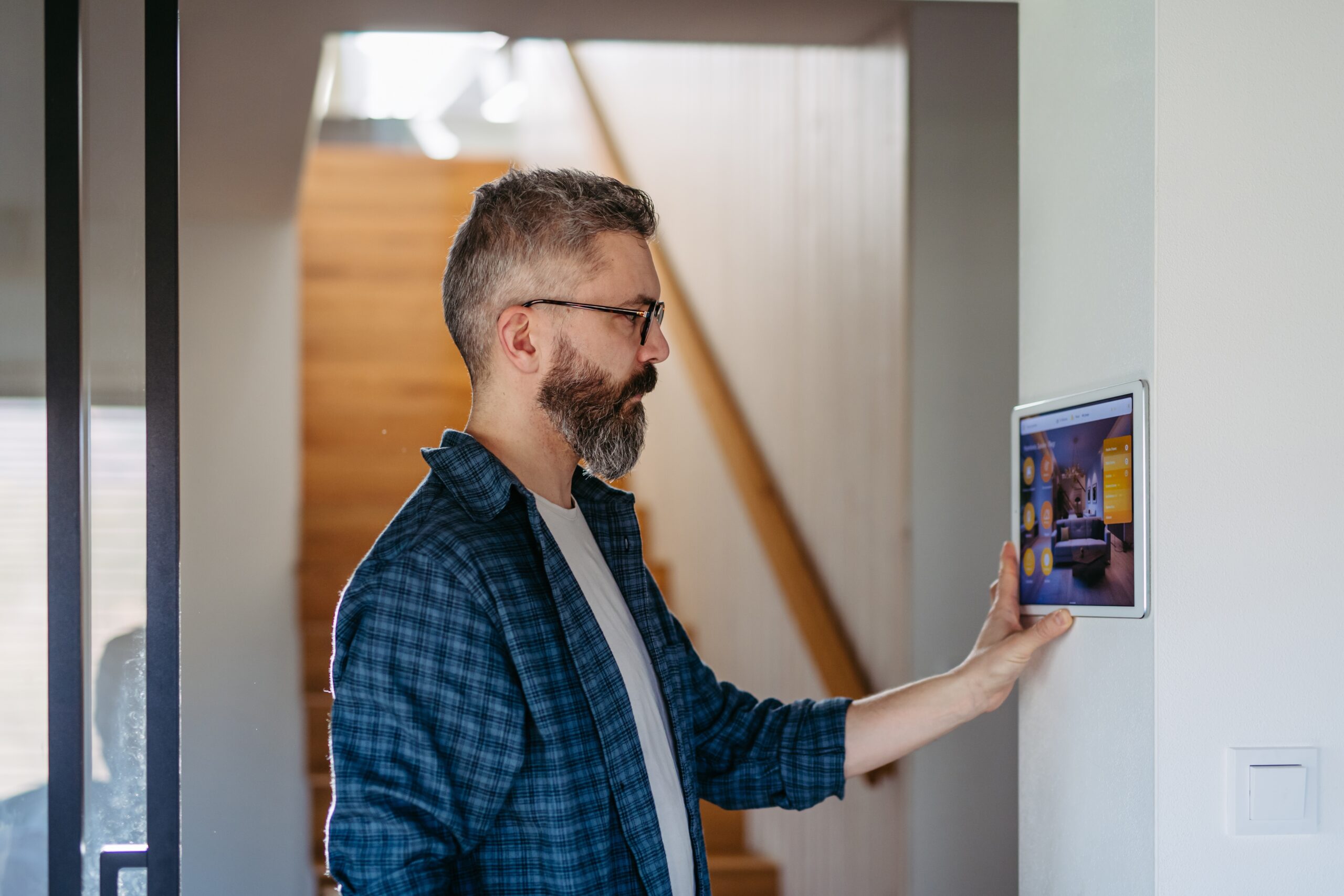
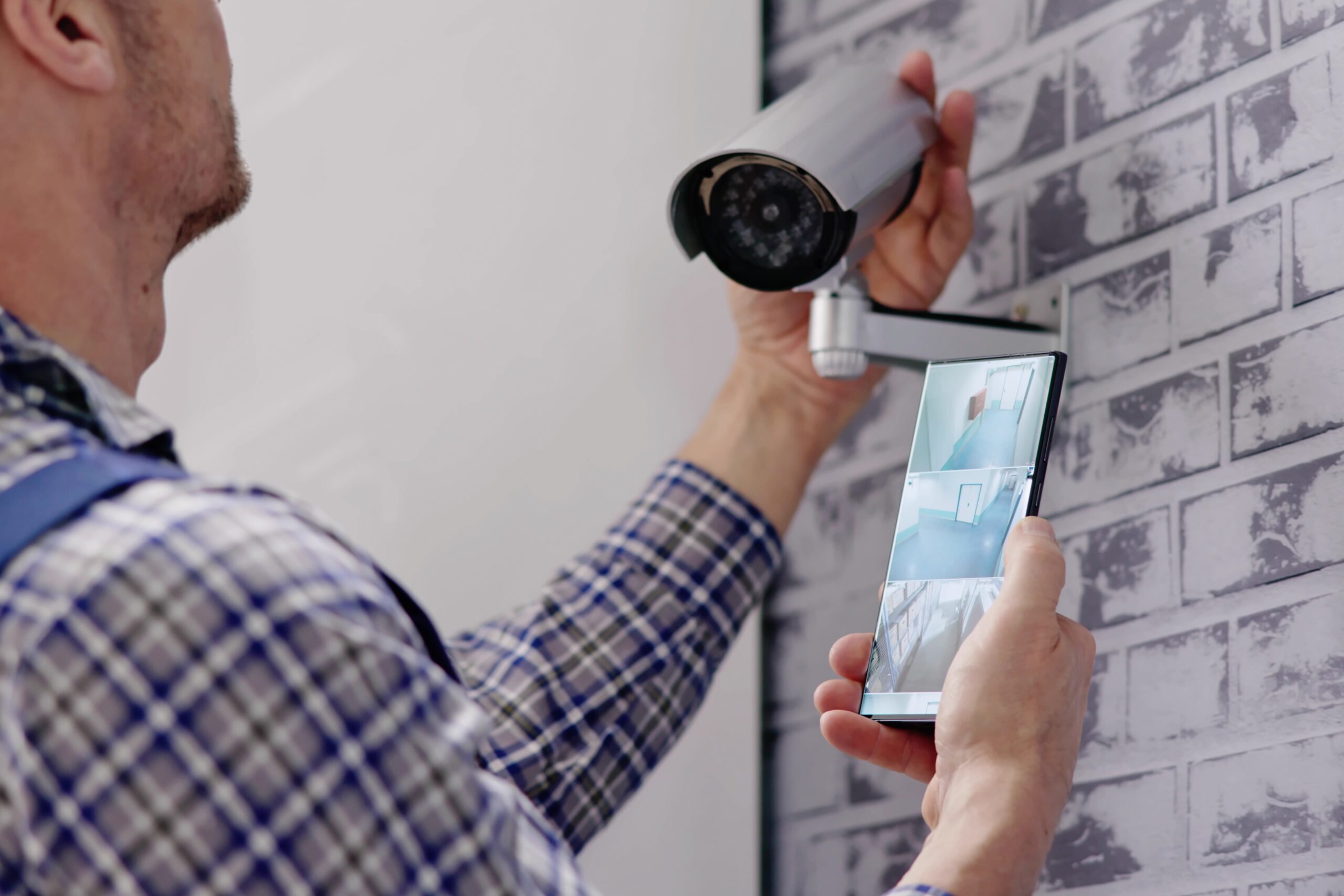
- Remote monitoring: In the modern world, landlords can pair the security cameras with their smartphone apps. Therefore, they have access to footage even if the property is miles away from where they live or they are on holiday.
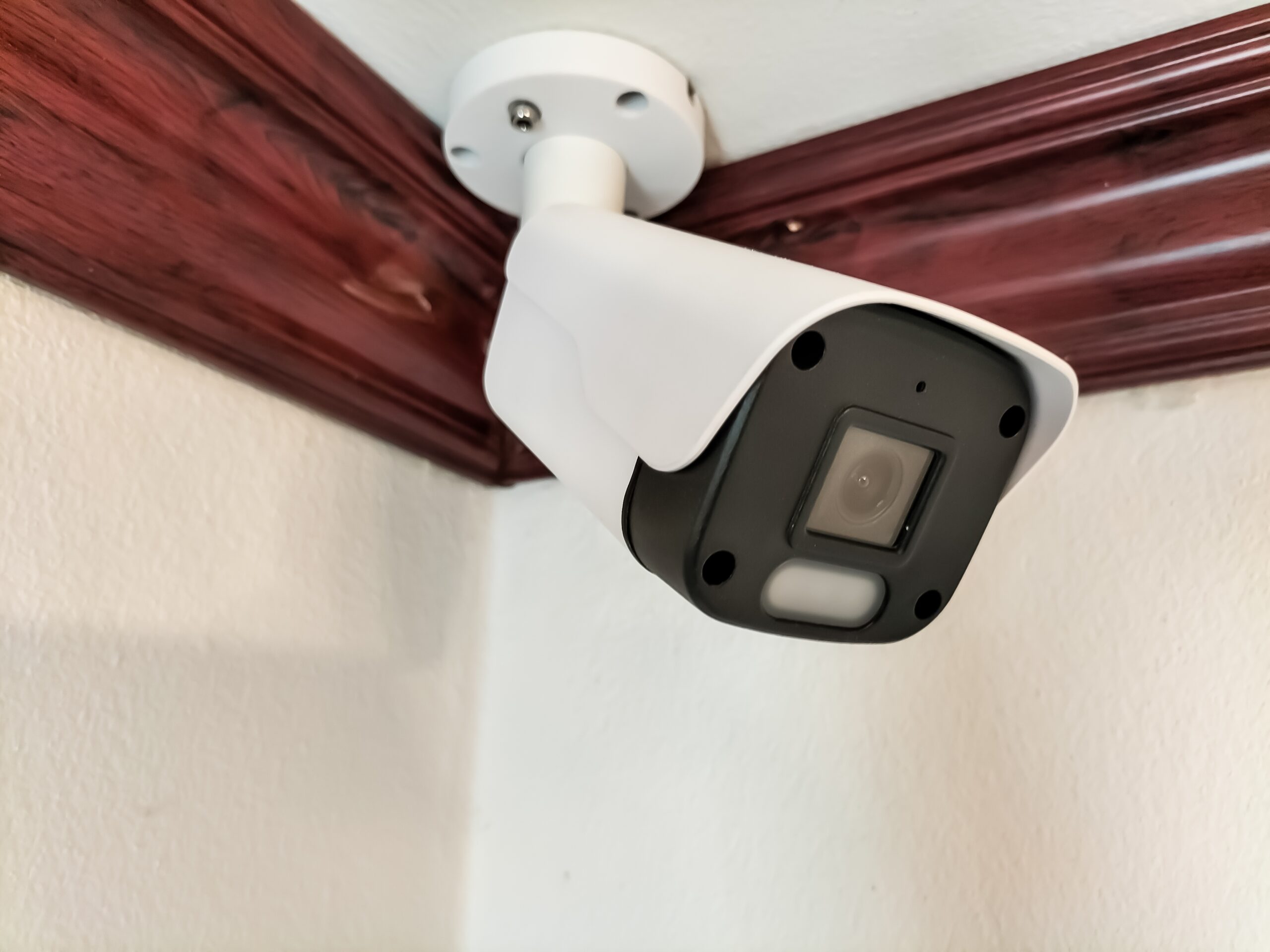
Landlords can install cameras inside where there isn’t a reasonable expectation of privacy. This is particularly common in HMOs that have hallways, entrances and other shared spaces. However, landlords need to take several actions beforehand.
When can landlords use security cameras in rental property?
Landlords must tick several boxes before installing cameras in their rental property. The process starts by including the information about the cameras in the tenancy agreement and obtaining written permission from the tenants. Landlords also need to include signage.
- Tenancy agreement: The tenancy agreement must clearly state that a security camera is in use at the rental property. It should highlight the reason for the camera’s installation, its location (e.g., camera outside the rental property on the garage wall), and how the footage will be managed. This ensures that tenants are aware of the camera from the outset and have signed a document agreeing to its use.
- Providing written notice: If the landlord decides to install cameras after the tenants are already in the property, the landlord must provide written notice about the use of a security camera in the rental property. This notice should specify the purpose of the camera, its location, and how the footage will be managed. Landlords need to obtain written permission from the tenant before installing.
- Clear signage: Signs highlighting the use of a camera outside rental property or inside in shared areas are essential. The signs need to indicate that recording is taking place to remind tenants and inform visitors.
Failure to notify tenants about a security camera in a rental property can result in legal complaints, fines, or claims of privacy violations. This can result in costly disputes with the tenants.
Complying with GDPR and data protection laws
Landlords need to be very careful when installing and using a security camera for a rental property. There are strict legal requirements outlined by the Data Protection Act 2018 and UK GDPR that landlords must comply with. Any information gathered by the landlord is subject to GDPR. This includes data and recordings from cameras.
Data minimisation
Landlords should only collect footage and data that they need and only for the intended purpose. They need to make sure that the camera is positioned correctly. The camera could be located outside, but it may be possible to see inside a bedroom where tenants reasonably expect privacy.
Secure the footage
Landlords must take reasonable steps to ensure the footage is secure. It should only be accessible for those who need access for the intended purpose. Steps must be taken to ensure nobody has unauthorised access. Cloud-based systems with encryption or locked physical storage are recommended. Footage should not be shared on social media.
Limited retention
Landlords should only retain footage that is absolutely necessary for the intended purpose. Typically, this is around 30 days, but there may be cases where you need to keep the recording for longer. For example, if the police need to view footage of criminal damage, or you are using the footage to make a landlord insurance claim.
If you need to keep the footage for longer than usual, please inform the tenant that you are doing so. Ensure the footage remains secure and only in the hands of people who need to view it. Once the information is no longer needed, it should be securely deleted as soon as possible.
Access requests
Tenants have the right to request access to footage captured by a security camera in a rental property if it includes their personal data. Landlords must have a process in place to handle such requests.
The risks of misusing security cameras in rental property
Misusing a security camera in a rental property can have serious negative consequences for the landlord. Landlords must follow the legal guidelines, as failure to do so will result in serious repercussions.
Installing a security camera in private areas or without prior notice will likely lead to complaints from tenants. In severe situations, they can report the matter directly to the police for a GDPR or Human Rights Act breach. This can lead to a legal challenge, with the potential of serious penalties.
In other situations, it can lead to disputes between the tenant and landlord. This can put a strain on the relationship and potentially lead to the tenant leaving at the end of the tenancy agreement.
Using a camera outside a rental property can be a cost-effective way to enhance tenant safety and protect your investment, but landlords must remain compliant with the rules and regulations to avoid significant setbacks. Always consult legal experts if you are unsure about installing a security camera in a rental property.
To further protect your investment, consider landlord insurance. We have the expertise to find the best landlord insurance deals that are suitable for your needs as a landlord. Contact us today at 01788 818 670 for a quote, and don’t forget to visit our resource centre for more information on how to be a successful landlord.
Landlord Insurance from £11.97 per month*
Get a quote