

Can you charge tenants for wastewater charges?
01-05-2026 | Legal Advice for LandlordsCharging tenants for wastewater charges is often something that is misunderstood and isn’t as commonly spoken about as electricity and gas when it comes to utility bills. Knowing how to bill tenants for utilities can often be tricky, so we have created this guide on tenant charges for wastewater.
Here, we’ll discuss whether you, as the landlord, can legally pass on these costs to your tenants and whether or not there is a limit as to how much you can charge. We’ll also look at what you can do if your tenant refuses to pay these bills and the legalities surrounding this. 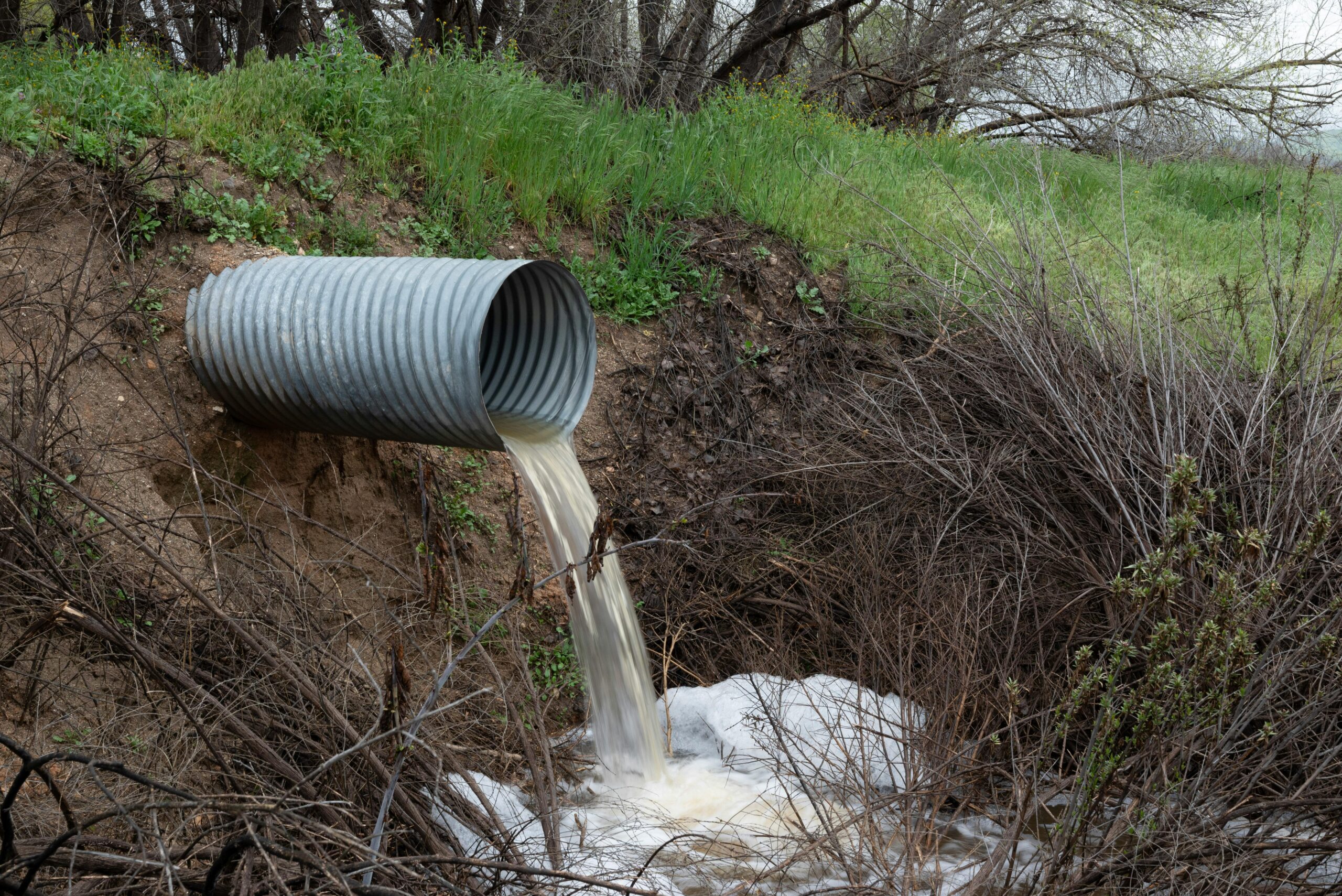
Who is liable for wastewater charges between tenants and landlords?
The first thing we need to do is look at the legalities surrounding who is responsible for wastewater charges between the tenant and the landlord. In the eyes of the law and water companies, the main person responsible for these charges is the occupier, meaning the person who actually uses the water. This is covered by the Water Industry Act 1991.
But the issue may arise when a tenant moves out, and they’ve left an unpaid bill for you to sort out. In this case, the water company may look to you to settle the unpaid bill if it wasn’t aware of the change in occupancy. To make this easier for future tenants, wastewater charges should be clearly defined in the tenancy agreement from the get-go.
The landlord TAP (tenant address portal)
A specific tool that landlords can use to their advantage is the Landlord TAP, a central portal that gives landlords an easy way to provide water companies with the details of those responsible for paying the water/wastewater charges. Once you have registered these details and the tenant’s move-in details, they will become legally responsible for payments.
Charging tenants directly vs. bills inclusive
There are two ways in which you can handle wastewater charges for tenants, but each option has its own advantages and disadvantages, so it will be up to you to decide which one works best for your circumstances.
Option A: The tenant pays the water company directly
This option is the most straightforward option because tenants can set up an account with their local water company, and when they receive a bill, they can pay it. The advantage of this is that you’ll have no financial risk surrounding water bills, but the disadvantage is that you’ll need to ensure that your tenant does actually register. If they don’t, the bill may come back to you once they leave the property.
Option B: You pay and resell to the tenant
In HMOs or ‘bills-inclusive’ tenancy agreements, you, as the landlord, will receive one big bill for the whole property, and it will then be your duty to charge the tenants a set fee or a portion of the bill. This means that you are now acting as a water reseller.
The Water Resale Order
If you have chosen to charge your tenants for water instead of them having to pay the water company directly, you’re automatically bound by the
If you choose to charge your tenants for water rather than having them pay the water company directly, you are bound by the Water Resale Order 2006, which is overseen by Ofwat. The main objective of this legislation is that you are not allowed to make a profit on the resale of water.
The maximum resale price
According to the law, the most you can charge your tenant is the amount you paid to the water company, including a small administration fee.
- For unmetered properties: You can add an admin fee of approximately £5 per year.
- For metered properties: You can add an admin fee of approximately £10 per year.
If you charge your tenant more than what the water bill comes up to, they are entitled to claim that money back, taking you to the Small Claims Court to recover the overcharged amount, including interest.

Understanding wastewater and sewerage charges
When we discuss wastewater charges for tenants, we mean the following:
- Fresh water supply: The water delivered to the property.
- Sewerage (wastewater): The removal of water from the property.
What are the components of wastewater charges for tenants?
The components of wastewater charges for tenants include used water from toilets, sinks, baths and washing machines, also known as foul wastewater. Wastewater also includes surface water drainage, which is the cost of taking rainwater that falls onto the property and flows into public sewers.
It’s important to note that this charge remains a fixed cost based on the footprint of the property. Lastly, highway drainage is included in the cost of draining water from public roads and pavements. Remember that when you pass on wastewater charges to tenants, you’re including these charges daily. If you manage an HMO, make sure to split these costs equally amongst your tenants.

Best practices for bills-inclusive tenancies
The main thing to remember when offering a bills-inclusive tenancy is that you need to always remain transparent with your tenants so that you can avoid disputes as much as possible. Here’s what to do to remain as transparent as possible with your tenants:
The “fair usage” clause
Having a fair usage clause in your tenancy agreement allows you to charge the tenant for any water usage that significantly exceeds normal usage for a household of that specific size. This will help prevent tenants from leaving taps running or ignoring a leaking toilet. This is also useful because water is often the most wasted utility, because there is no immediate cutoff.
Provide evidence
If a tenant questions the wastewater charges, you’re legally required to show them the original bill from the water company. You’ll also need to be able to demonstrate to them how you calculated their share. So, always make sure you have evidence of the water bill.
Maintain the infrastructure
Make sure that you take care of the small things, too, like dripping taps or a running toilet cistern, because this can add a lot of money to your water bill over a prolonged period of time. You need to fix leaks as soon as possible as part of your landlord duties. If a bill is high due to a leak that was reported by the tenant but you neglected it, you won’t legally be able to pass the cost onto the tenant.
So, what happens if a tenant doesn’t pay?
As we mentioned before, if the water account is in the tenant’s name, the debt will lie with them. The water company is not allowed to cut the water according to the law, but they will be entitled to use a debt collection agency to make sure the debt is paid.
However, if the account is in your name and the tenant isn’t paying, here’s what you need to keep in mind:
- You cannot turn off their water.
- You’ll need to continue to pay the water company to make sure you keep your own credit rating positive.
- You’ll need to get the money owed to the water company through the rent arrears process or by taking it out of the security deposit at the end of the tenancy.
Charging wastewater charges to tenants is a great way to manage your property’s overheads, but you need to remember that you need to remain as transparent as possible and remain within the ‘maximum resale price’, ensuring your tenancy agreement mentions who is responsible for water bills.
Looking for landlord insurance to help protect your rental property? Get in touch with our team of specialists at CIA Landlords to get your tailored quote on 01788 818 670. You can also visit our advice centre for more information on how to manage your rental property.
We won't be beaten on any like for like landlord insurance quote.
Get a quote