

What is the law on communal gardens?
01-05-2026 | Property Maintenance & InteriorsLandlords with multi-tenanted properties will need to keep in mind how outside space is managed. With the introduction of stricter Decent Homes Standards for the private sector, the way shared outdoor spaces are being managed has changed. Here, we’ll go through communal garden rules so that any points of confusion are alleviated.
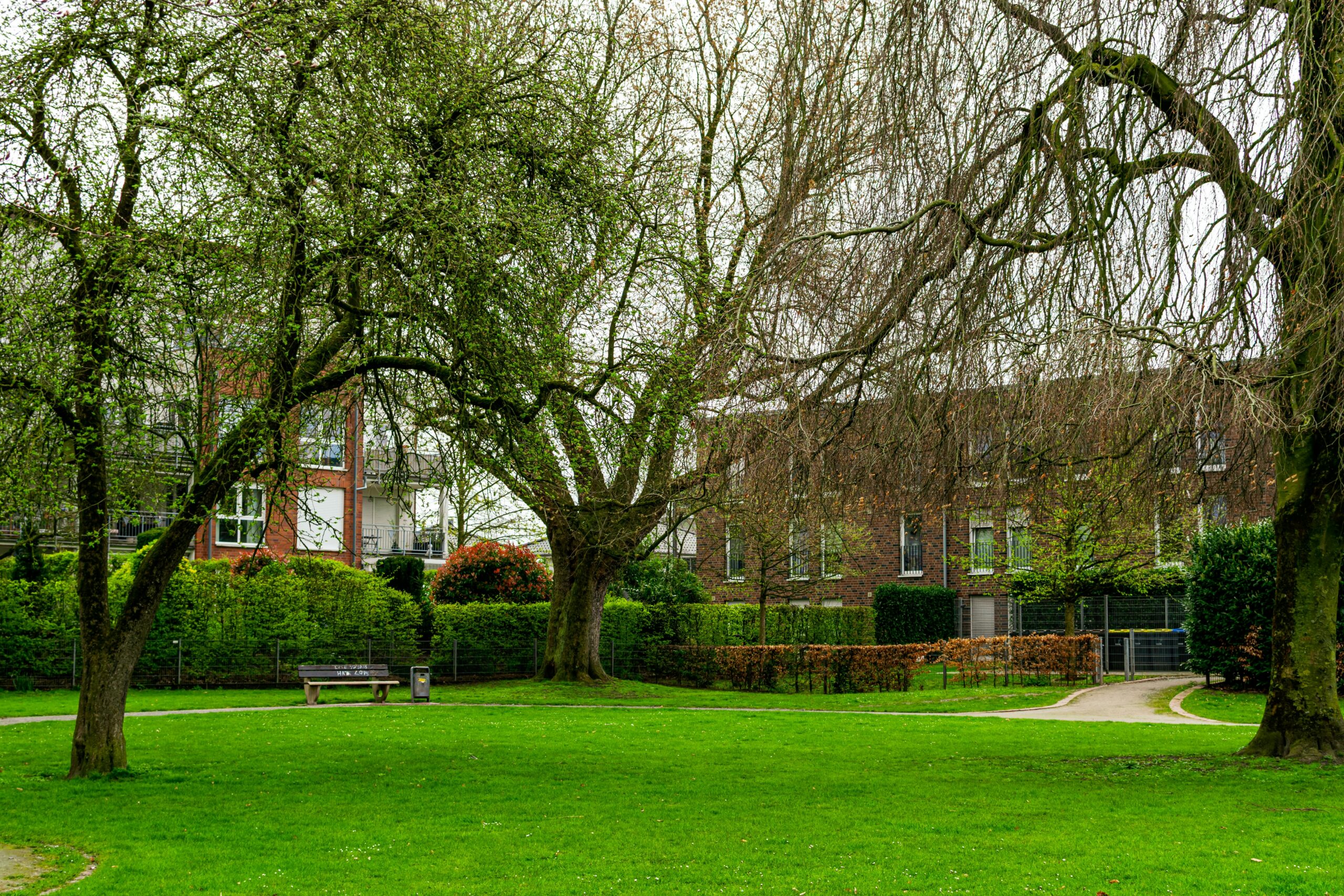
Communal garden rules (landlord and tenant responsibilities)
While tenants are expected to mow the lawn and take out weeds, the rules for communal gardens place the burden of maintenance and safety on you as the landlord. In a typical single-let tenancy, the garden becomes part of the property that is let to the tenant, but in a multi-tenanted building, the garden becomes a communal area for all tenants. So, what are your duties as the landlord when it comes to communal gardens?
A landlord’s duties for communal gardens
Under Section 11 of the Landlord and Tenant Act 1985, landlords are responsible for the structure and the exterior of the building. So, when it comes to a garden, this includes:
- Boundaries: Repairing fences, brick walls, and gates.
- Access: Maintaining paved pathways, steps, and ramps to ensure they are free from trip hazards.
- Trees: Professional pruning of large trees and removal of dead branches are strictly your duty as the landlord due to the expertise and equipment required.
Decent homes impact
As of 2026, the Decent Homes Standard has been extended to all private rentals. So what this means is that communal gardens need to be free from all serious hazards. Having a communal garden that is overgrown may contain pests and can also create fire risks with dried brush.
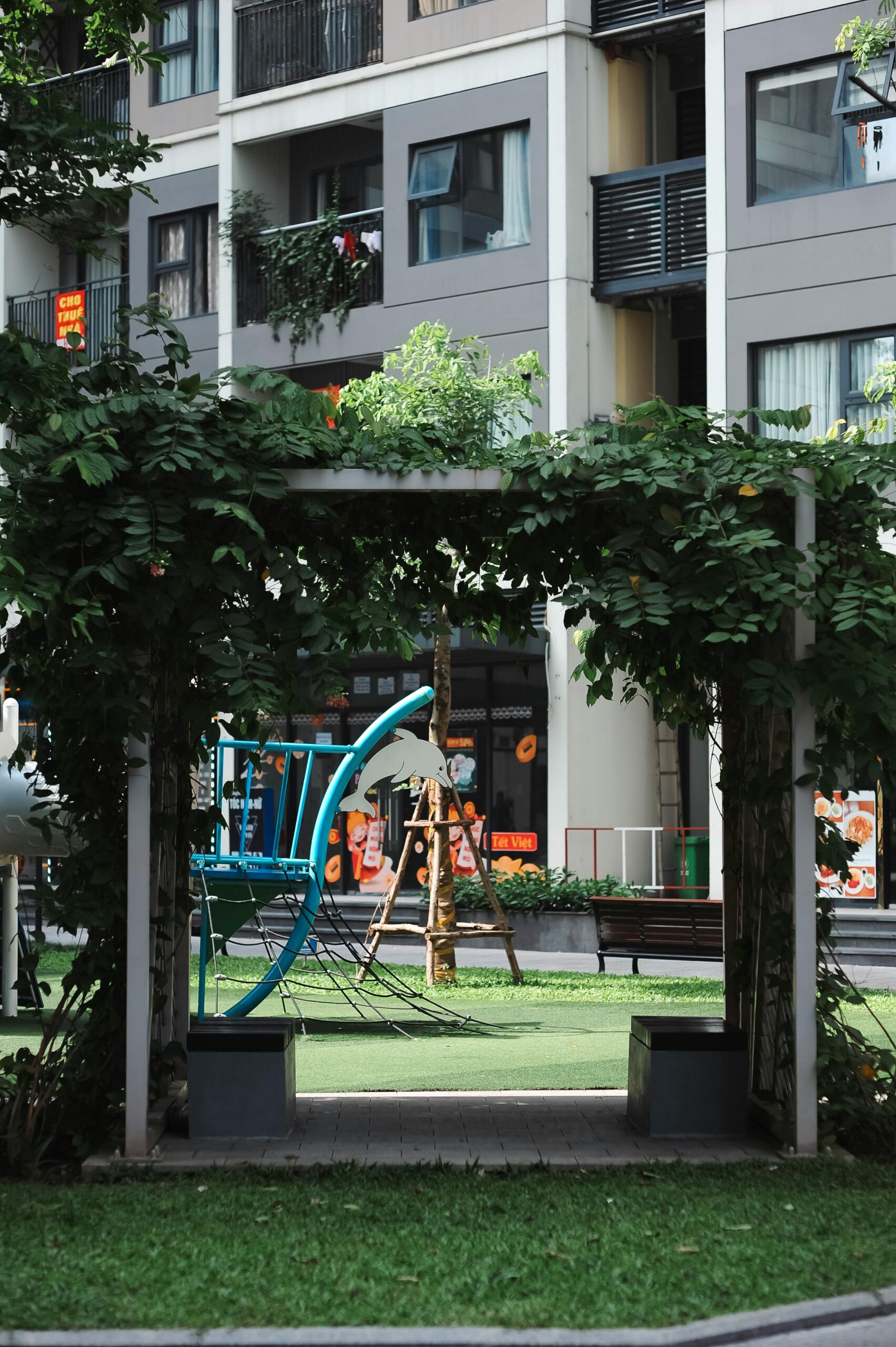
Council communal garden rules
There may also be times when you manage a property in a highly populated area, and this may mean that you’ll also need to contend with council communal garden rules. Local authorities have become more proactive recently, using the Community Protection Warnings to target untidy or hazardous shared spaces.
Common council prohibitions
- Combustible storage: With the updated fire safety regulations, councils prohibit storing large combustibles, like old mattresses, tyres or wooden pallets, in shared gardens.
- Waste management: You also need to make sure that you keep on top of your waste management because this could attract vermin, which are classed as a statutory nuisance.
- Invasive species: You are also required, as a landlord, to prevent the spread of invasive species like Japanese Knotweed. You need to ensure that this doesn’t cross into your neighbour’s garden, otherwise you could face fines from the council.

Establishing effective communal garden rules
As the landlord, you should make sure that you establish clear communal garden rules and include these in your tenancy agreement so that tenants are aware of these from the outset. This way, you can avoid disputes as much as possible, too. Here’s how you can implement these communal garden rules:
- No permanent structures: Your tenants should be aware that they are not allowed to erect greenhouses or sheds, and that no permanent structures should be built in the communal garden.
- Fire safety and barbecues: Many landlords have moved towards a ‘no barbecue’ policy in communal gardens to prevent fire risk and smoke nuisance. Instead, you can have a designated barbecue area for your tenants to enjoy.
- Noise: There should be no loud noises between 11:00 PM and 7:00 AM. This is standard etiquette.
- Pet etiquette: It is a lot more difficult to ban pets with the new Renters’ Rights Act; however, you can still enforce strict rules when it comes to pets in communal gardens. This can include dogs needing to be on a lead, and that there may be no fouling.
- Personal property: You can also enforce a rule for your communal garden where tenants are not allowed to leave their personal items, such as bikes, toys or laundry airers.
Service charges and maintenance
So, how do you ensure that you are able to keep up with the maintenance of your communal garden? In most multi-tenanted properties, landlords ensure that maintenance is funded through service charges.
Transparency is key
Under the new Leasehold and Freehold Reform principles of 2026, landlords must be incredibly transparent with service charges. So, if you decide to charge your tenants for garden maintenance, for example. You need to be able to provide the following:
- Schedules: This includes evidence of when the gardener visits
- Reasonable costs: Tenants now have stronger rights to challenge service charges that they are not comfortable with. This can be challenged at the First-tier Tribunal.
Make sure that you hire a professional gardening service, as this will serve as your best defence against tenant claims that the garden is substandard.
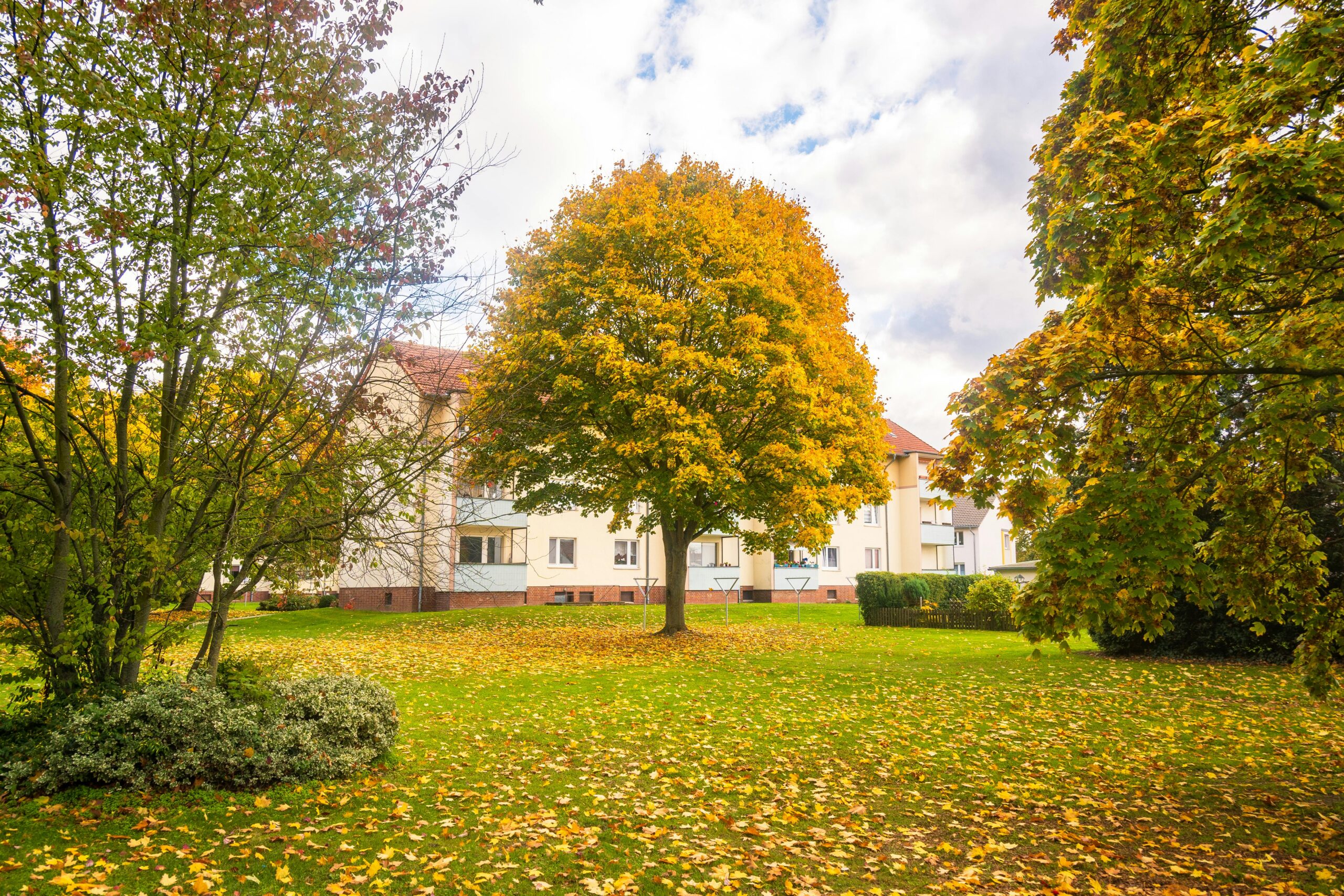
Checklist for complying with communal garden rules
Here’s how you can make sure that you implement communal garden rules and that your tenants know what is expected of them:
- Lighting: Does all the lighting work in the outdoor communal area? This is important in preventing slips and trips.
- Hazard check: Are there any uneven paving slabs or tree roots that are protruding in the walkways?
- Fire exit clearances: Is the pathway from the final fire exit clear and unobstructed?
- Boundary check: Are the fences secure?
- Signage: Is there signage put up reminding the tenants of the communal garden rules?
So, as you can see, communal garden rules end with you as the landlord. This may mean more work in terms of hiring contractors and creating robust risk assessments, but it is also the best way for you to have total control over the safety of your property. By having firm communal garden rules and staying proactive with maintenance, you can make sure that your outdoor shared space is well looked after and that you attract high-quality tenants.
Are you looking for landlord insurance to help protect your rental property? Be sure to get in touch with our team of specialists for a quote today on 01788 818 670, or you can visit our advice centre for more information on how to manage your rental property.
We won't be beaten on any like for like landlord insurance quote.
Get a quote