

Do landlords need to provide risk assessments?
24-03-2026 | Legal Advice for LandlordsIf you have been in the landlord game for a while, you’ll know that compliance is a big part of running a successful business. There are many certificates involved with being a landlord, too, for example, your annual Gas safety certificate, your five-year EICR and your EPC. These three certificates are the main compliance certificates, amongst other landlord risk assessments.
But, these cannot be the only certificates that you rely on for compliance purposes. Although these certificates prove that certain systems were up to scratch during the time testing took place, having a robust landlord risk assessment in place is always best practice. Without having proper risk assessments in place, you run the risk of leaving your rental business open to massive liability if there is an issue with a tenant.
Here, we’ll go through everything you need to know about implementing landlord risk assessments and why having a simple rental safety checklist in place is the best way to manage major risks like fire and legionella.
Why having a landlord risk assessment is necessary
The Management of Health and Safety at Work Regulations 1999 place landlords as business operators, which means that you have a duty of care to identify and manage risks, and you will need to ensure that you:
- Apply for or renew an HMO License.
- Have processes in place if there is a fire or a health outbreak at the property, or if a tenant reports a hazard under the Housing Health and Safety Rating System (HHSRS).
If you have an inspection from an Environmental Health Officer (EHO) and they find a category 1 hazard, such as poor fire separation, your proof would be included in the landlord risk assessment that proves you took proportionate steps in mitigating this risk.
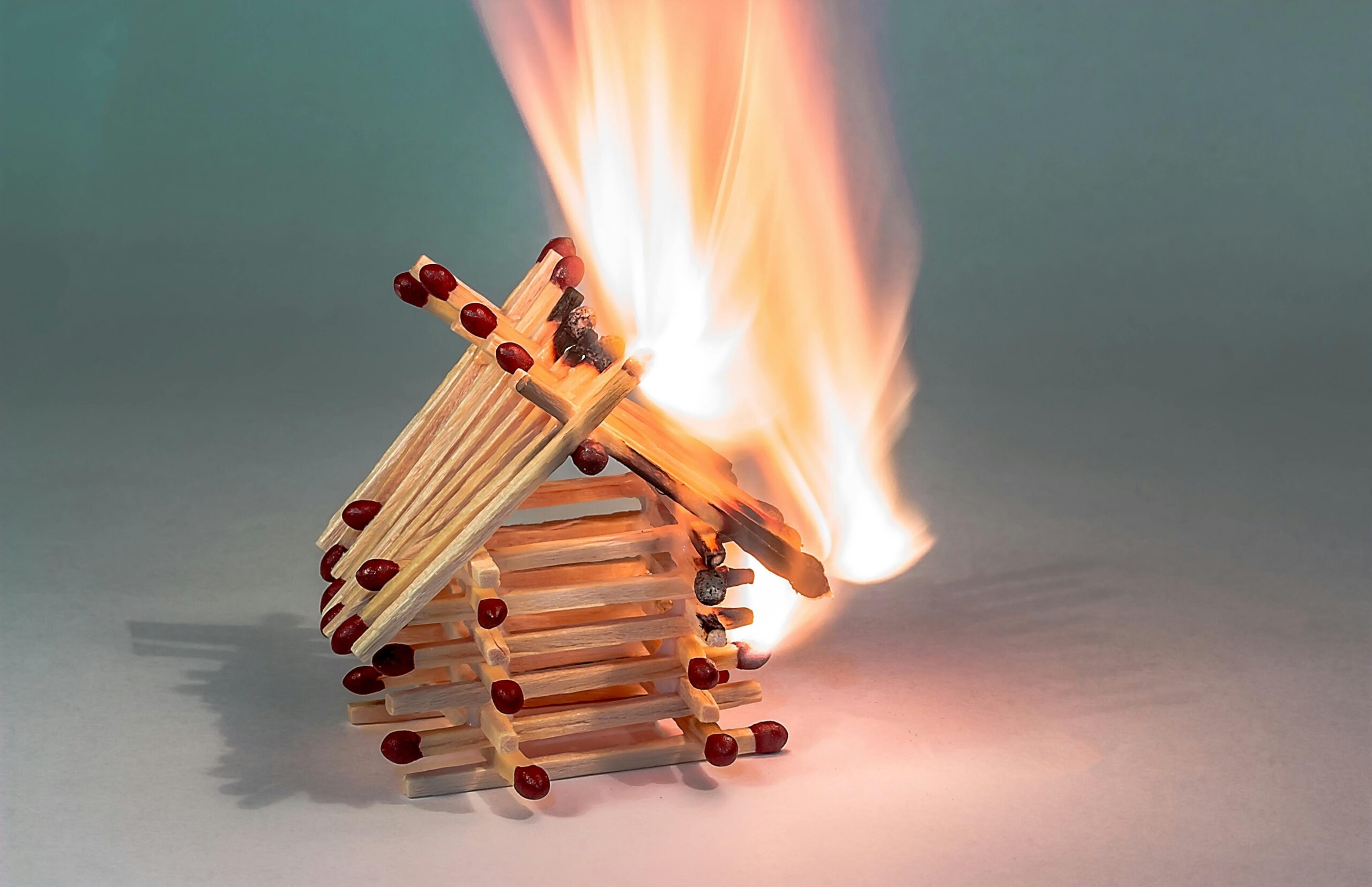
Fire Risk Assessments (FRA)
Fire safety is where landlords tend to face the most scrutiny, and so, this should be taken very seriously. Since the Fire Safety Act 2021, there have been a few updates that have expanded what landlords are responsible for.
Does every landlord need a written Fire Risk Assessment?
It is always best practice to have a written Fire Risk Assessment as a landlord because this way, you’ll always be on the safe side.
- Single-family lets: You need to ensure that your property is fire-safe and will need to follow a rental safety checklist in order to ensure that there are smoke alarms on every floor and that CO alarms are present near boilers. You won’t need an actual Fire Risk Assessment, however, for single-family lets.
- HMOs and blocks of flats: The law becomes a lot more stringent when it comes to shared accommodation and under the Regulatory Reform (Fire Safety) Order 2005, as the landlord, you will need to carry out a Fire Risk assessment for the common parts of the building.
- The ‘Rule of Five’: You may know that if you have five or more residents in a property, it will be classed as an HMO. Thus, the Fire Risk Assessment must be recorded in writing.
What should your Fire Risk Assessment cover?
Having a Fire Risk Assessment implemented doesn’t only mean that you check for smoke alarms, but it also evaluates:
- Ignition sources: Is there any faulty wiring or any old appliances lying around?
- Escape routes: Are all hallways clear of combustible materials?
- Fire doors: Are the entrance doors fire-rated and fitted with self-closers? Some councils will require quarterly checks on communal fire doors.
- Emergency lighting: Is the light adequate in times of emergency to be able to see the exit?
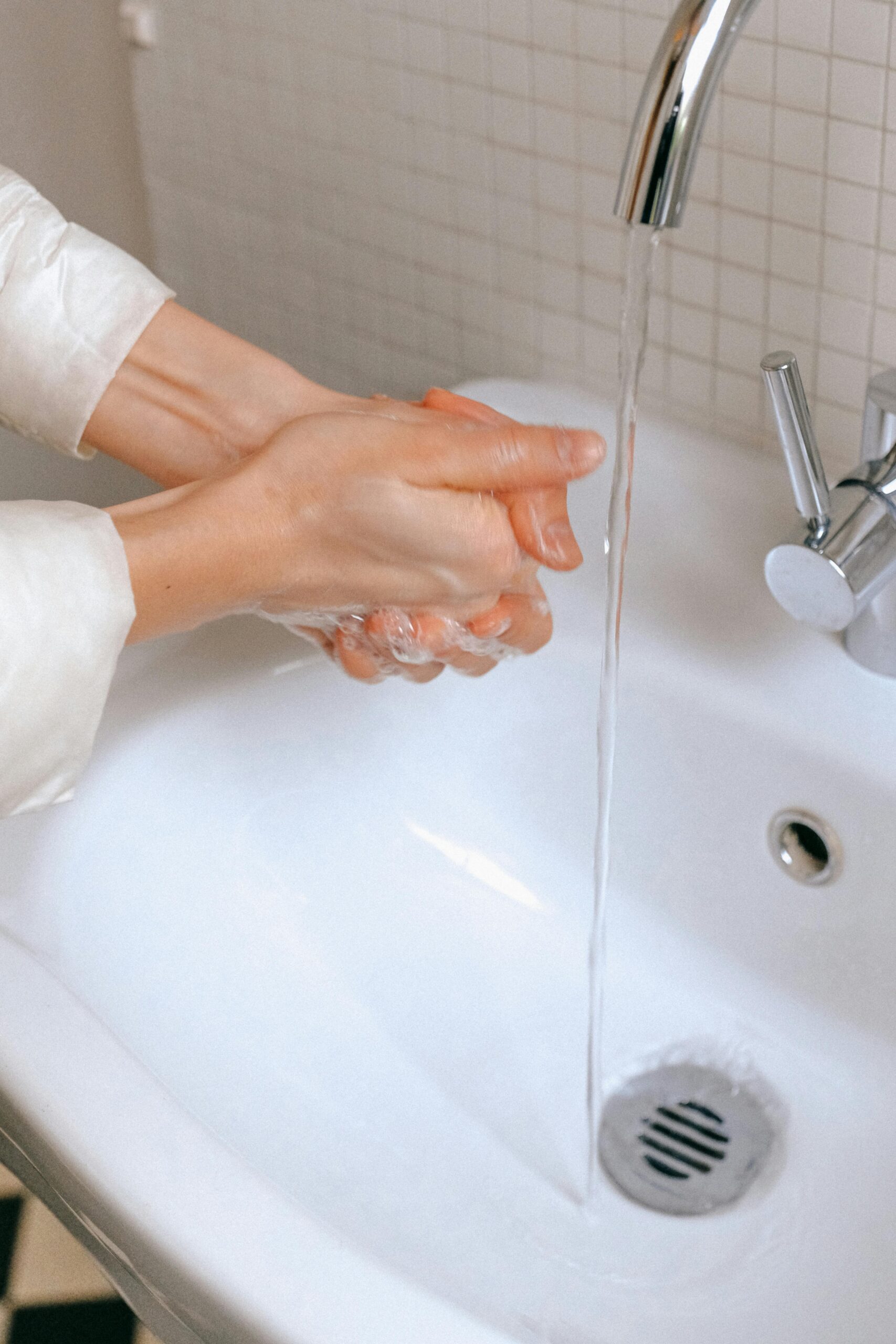
Legionella
Legionella is a bacterium that is water-borne, which can cause Legionnaires’ disease (a severe case of pneumonia). Legionella thrives in stagnant water between 20°C and 45°C and residential plumbing, making for the perfect breeding ground.
Landlords are competent to check
As a landlord, you will need to carry out a risk assessment for Legionella, but you don’t necessarily need a certificate to clear the water system. Most domestic landlords are considered competent enough to carry out the assessment. The only prerequisite is that you understand the water system.
Your Legionella rental safety checklist:
Here’s how to implement a Legionella rental safety checklist to ensure that you’ve covered all the necessary areas:
- Flush the system: If the property has been unoccupied for a while, you need to make sure that you run all the taps and showers for several minutes.
- Temperature control: You need to ensure that your water cylinder stores water at 60 degrees Celsius and that water reaches the tap at a minimum temperature of 50 degrees Celsius.
- Debris: Make sure that your cold water tanks have tight-fitting lids so that no debris gets into the water tanks.
- Dead legs: Always ensure that redundant pipework is removed so that water doesn’t sit and stagnate.
- Tenant education: Remind your tenants to clean showerheads regularly to prevent scale build-up.
The compliance landscape
As of May 2026, the Renters’ Rights Act will be fully implemented and with it come mandatory changes that are relevant to all tenancies. A big part of the Act involves landlords being more transparent and being able to prove that the property is fit for human habitation.
So, if you are a self-managing landlord, there is no room for error, and councils now have the power to issue financial penalties when it comes to safety breaches. This is when having a dated and written landlord risk assessment is the only way to ensure you’re compliant and prove that you are a responsible and professional landlord.
Your rental safety checklist for 2026
Here’s a rental safety checklist for you to implement so that you ensure you remain compliant when it comes to every new tenancy:
- Gas safety: Make sure there is an annual check implemented by a certified Gas Safe engineer and that you give a copy to the tenant for their reference.
- Electrical safety: Make sure that your EICR is still valid. This needs to be updated every 5 years.
- Fire risk: Are there smoke alarms on every floor, and have they been tested on the day the tenants moved in?
- Carbon monoxide: Is there an alarm in every room that has a fixed combustion appliance?
- Legionella: Has the water temperature been checked, as well as the system been flushed?
- Furniture: Do all the furniture pieces provided for the tenants carry the correct labels?
- Escape routes: Are all internal doors easy to open without a key in the event of a fire?
- Damp and mould: Have you made sure that the property has been inspected for any ventilation issues?
- EPC: Is the rating ‘E’ or higher?
- Written record: Is there a dated log of all the above checks?
So, technically speaking, you don’t need to provide tenants with a landlord risk assessment, but you would have needed to make sure your checks are completed, and all your certificates are in date.
Are you looking for landlord insurance? Be sure to get in touch with our team of specialists for a quote! You can also visit our advice centre for more information on how to manage your rental property. Get in touch on 01788 818 670.
We won't be beaten on any like for like landlord insurance quote.
Get a quote