

HMO rules for landlords
01-05-2026 | Legal Advice for LandlordsLandlords managing shared properties, such as HMOs, need to be able to navigate the complexity of HMO rules and landlord HMO obligations, especially with the new legislation being implemented in 2026 (Renters’ Rights Act, National Private Rented Sector Database).
Here, we’ll discuss the different HMO rules and regulations, reframing them, not as hurdles, but as the essential criteria and framework for running a high-yield property business.

Renters’ rights and landlord HMO obligations
One of the biggest changes for HMO landlords in 2026 is the abolition of the Assured Shorthold Tenancy (AST), with all tenancies transitioning to rolling periodic tenancies.
So, what does this mean for your HMO?
Naturally, this will mean a few changes when it comes to HMO rules for landlords, for example:
- No fixed terms: Now, tenants can leave the property with just two months’ notice at any point in the tenancy.
- End of section 21: Landlords can no longer use ‘no-fault’ evictions as a reason to regain possession of the property. So, if the tenant is causing friction in the HMO, you’ll need to use specific grounds (Section 8), such as anti-social behaviour or rent in arrears, to get possession of the property.
- The £4,000 deadline: As a landlord, you’ll need to provide existing tenants with a written document explaining the terms of the new Act. If you don’t do this by 31 May 2026, you could face financial fines of £7,000.
Landlord HMO licensing obligations
Licensing is the cornerstone of HMO rules and regulations. Here’s why:
- Mandatory licensing: This applies nationwide if you rent to five or more people from more than one household who share facilities.
- Additional licensing: Some councils now require you to have a license for small HMOs, which include 3-4 tenants.
- Selective licensing: Some councils will require every rental property to be licensed regardless of the number of occupants living in the property.
Landlords need to keep in mind that operating without the correct license in 2026 is a liability offence and fines for this start from £30,000. Tenants can also apply for a Rent Repayment Order in the hopes of being able to claw back 24 months’ worth of rent.
Physical standards and room sizes
One of the main obligations as an HMO landlord is to ensure that your property is not overcrowded. Here are the minimum bedroom sizes:
- Single adult: 6.51 square metres.
- Two adults: 10.22 square metres.
- Child under 10: 4.64 square metres.
When you’re in the process of calculating floor space, it’s important to remember that if a ceiling is less than 1.5 metres, it must be disregarded. Also, under the Decent Homes Standard that has been applied to private rentals, rooms also need to be free from category 1 hazards, like mould and damp. Under Awaab’s Law, mould and damp repairs need to be made within a specific time period for serious issues.
Fire safety
HMOs tend to be higher-risk environments, which means that fire safety HMO rules and regulations are more demanding compared to single-family lets.
Mandatory fire safety features:
There are a few fire safety features that are mandatory when it comes to HMOs, for example:
- Fire doors: All rooms must have FD30-rated fire doors that have self-closing devices and intumescent strips.
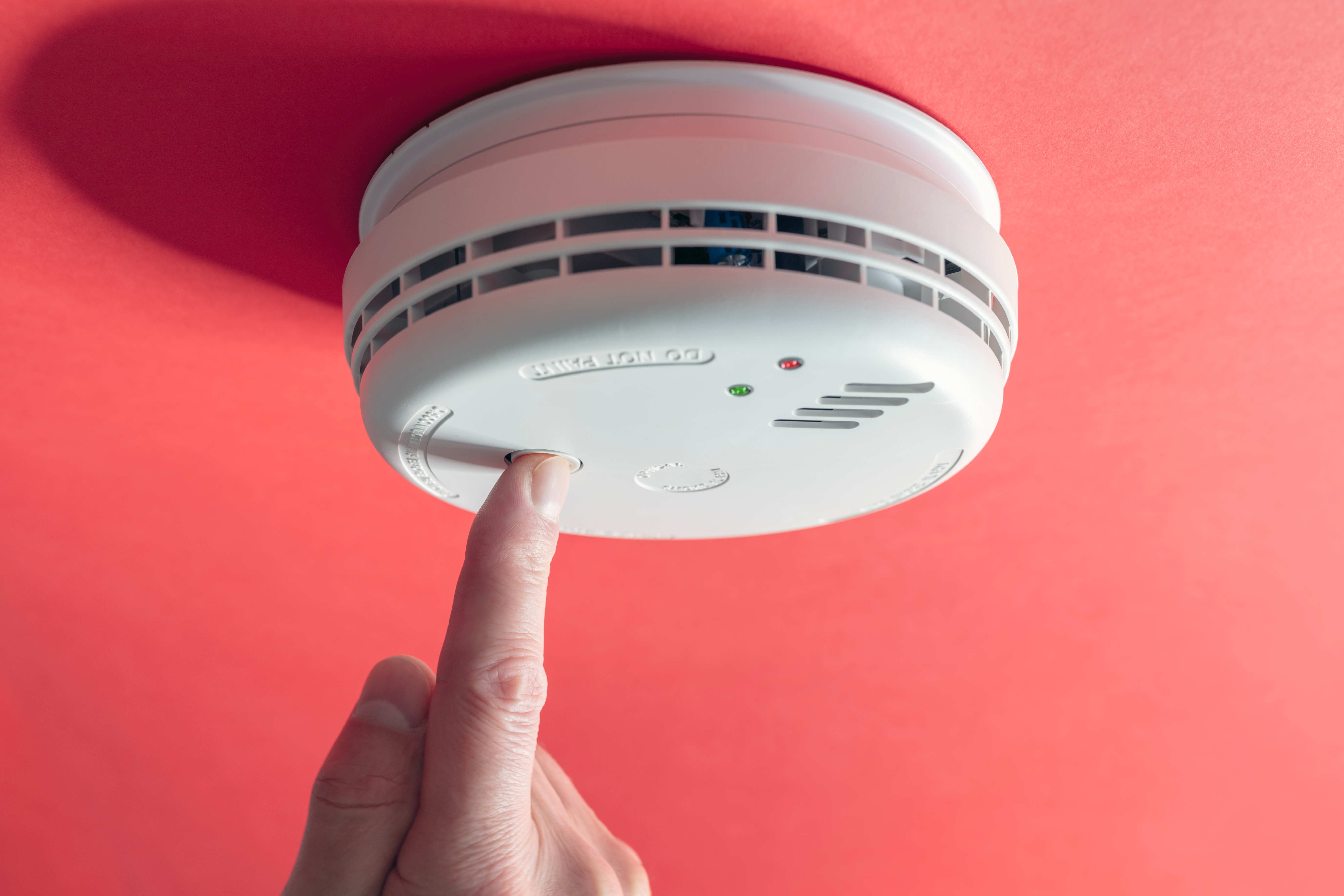
- Alarm systems: Most HMOs now require a Grade D1, LD2 system, which is a mains-powered, interlinked smoke alarm installed in all high-risk rooms and escape routes.
- Written Fire Risk Assessment (FRA): You are legally required to have a competent person conduct a fire risk assessment for all communal areas. This is under the Regulatory Reform (Fire Safety) Order 2005.
Mastering HMO landlord obligations
Implementing these HMO rules for landlords means that you can turn renting out your HMO into a competitive and successful business. Here’s how you can do this to ensure a competitive advantage:
- Audit your licenses: Always make sure you’re up-to-date with all licensing schemes relevant to your HMO. Local councils can implement new licenses on short notice.
- Digitise your compliance: Ensure you keep digital files of your safety certificates, such as your EICR, Gas Safety, and Fire Door logs.
- Prepare for the periodic shift: As you may know, tenants can now leave with at least two months’ notice, which means that you need to focus on the experience of your tenants. Focus on ensuring your communal areas are kept to a high standard and that repairs are made promptly.

Landlord HMO obligations require a data-driven and proactive approach to ensure that you are compliant and that you stay ahead of the curve. While regulations are stricter, they also provide you with clear standards for how you should manage your HMO property and will help you stand out from rogue landlords. This way, by embracing these HMO rules and regulations, you’re protecting the long-term value of your asset.
Are you looking for landlord insurance to help protect your rental property? Be sure to get in touch with our team of specialists for a quote today on 01788 818 670, or you can visit our advice centre for more information on how to manage your rental property.
We won't be beaten on any like for like landlord insurance quote.
Get a quote