

How to bill tenants for utilities
15-07-2025 | FinancialWhether you’re new to being a landlord or already experienced in the property rental market, you might be wondering about the options available for billing utilities. This comprehensive guide explains the different approaches landlords can take, allowing you to decide how to bill tenants for utilities tailored to your specific circumstances.
The article will cover inclusive rents, split bills, sub-metering and direct billing. It will highlight how to structure utility arrangements in tenancy agreements, as well as the pros and cons of each model, with practical tips on avoiding disputes. Wondering how to charge tenants for utilities? Let’s weigh up the options.
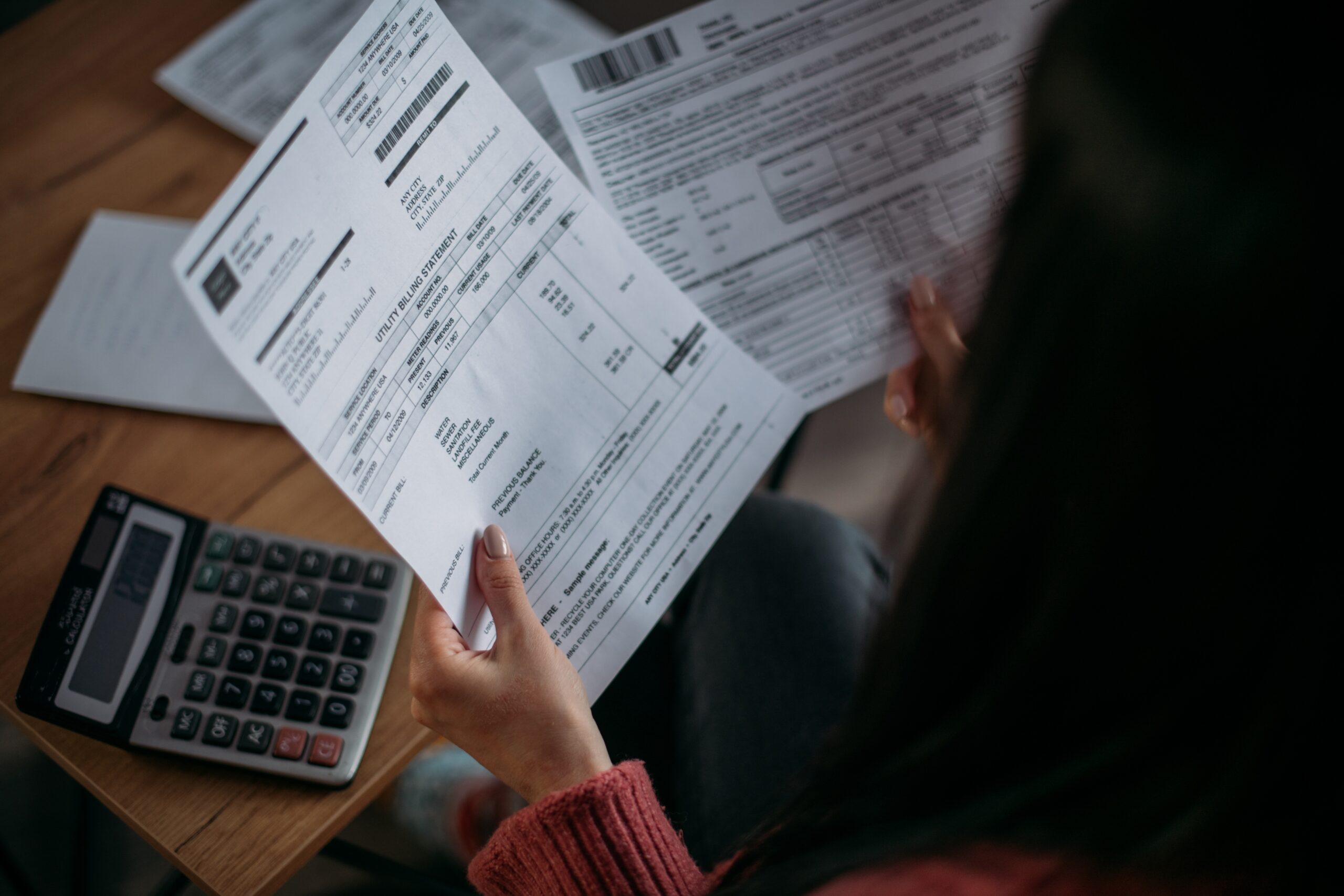
How to bill tenants for utilities
There are generally four different approaches landlords take when billing tenants for utilities: inclusive rents, split bills, sub-metering, and direct billing.
What are inclusive rent agreements for utility bills?
With an inclusive approach, the cost of the utility bills is included in the rent payments. This approach is common with student lets. Following research from Save The Student, 68% of students secured accommodation with inclusive agreements.
If this is how you bill tenants for utilities, landlords need to specify which bills are included in the tenancy agreement. Landlords may also decide to place a usage cap to protect against unreasonable usage. This should also be included in the tenancy agreement.
Pros of inclusive bills
- Simple: It makes the agreement easy for tenants. They only have to worry about one monthly payment.
- Marketing: It’s easier to market the property. It makes it more attractive, especially if you are in a student area.
- High turnover: If you have a high turnover of tenants, it makes the transition easier for all parties involved. You won’t have to worry about changing the payment details.
Cons of inclusive bills
- More risk: Tenants can be more relaxed about their usage when they are not directly affected by the payments.
- Harder to adapt: It is more challenging to adjust rent prices, so there will likely be a lag if utility prices increase.

Split bills for utilities
The split bills approach is ideal for houses in multiple occupancy (HMOs). Landlords can split the bills evenly among the tenants in the property. If opting for this method, landlords should explain how the bills will be split. Landlords can manage the bills themselves and request payment, or ask them to reimburse monthly.
If this is how you charge tenants for utilities, consider using the third-party services/bill-splitting apps available to help landlords and tenants with this approach.
Pros of split bills
- Transparent: It’s more transparent than inclusive rent
- Mindful: It will encourage tenants to be careful with their usage
Cons of split bills
- Disputes: If one tenant uses significantly more, then it can cause disagreements and disputes between tenants. This can then be passed on to the landlord.
- Responsibility: It can be harder for landlords to organise how to charge tenants for utilities.
Sub-metering
Sub-metering involves installing individual meters to measure the amount of energy or utility consumption within specific parts of the property. This can include a different meter for every room.
Pros of sub-metering
- Fairer: It is fairer for tenants because they only pay for what they use.
- Savings: Tenants are more conscious about their usage, increasing the chances of energy and water saving.
- No disputes: Tenants will only be billed for what they use, so there will be no disputes if one tenant uses more than another, if applicable.
Cons of sub-metering
- Upfront costs: Landlords will need to consider the installation costs.
- Regulations: Ensure compliance with relevant regulations.
Direct billing
Direct billing is when the landlord asks the tenant to organise and pay the bills themselves. The tenants register with the utility companies and arrange their own payments.
Landlords should clearly state this in the tenancy agreement. The agreement should state who is responsible for setting up and maintaining the utility bills. It should also include information on how to return the bills to the landlord when the tenancy comes to an end.
Pros of direct billing
- Admin: It reduces the administrative burden for the landlord. They don’t have to worry about the bills regularly themselves, as the tenant is responsible for them.
- Less controlling: The landlord doesn’t have to worry about tenant usage. They can freely let the tenants get on with organising the bills.
Cons of direct billing
- Initial organisation: It may take some organisation at the start and end of the tenancy to ensure that every bill is in the correct name. You will need to ensure meter readings are taken when tenants move in.
- Potentially less attractive: Some tenants, most likely students, tend to prefer the bills to be included. This will make your property less attractive to them.

How to avoid disputes over utility bills for tenants
Avoiding disputes over utility bills is about making the process as clear as possible in the tenancy agreement, maintaining open communication channels, and keeping a detailed record of everything.
When thinking about how to bill tenants for utilities, you might be wondering about how to reduce the disputes to make your life easier as a landlord. To do so, follow the tips below:
- A clear tenancy agreement: Clearly state how you bill tenants for utilities in the tenancy agreement. It needs to showcase the approach you are taking and provide key details about the arrangement. This should be agreed upon when speaking with the tenant before the start of the tenancy.
- Use fair usage caps: If you opt for inclusive rent bills, adding a fair usage cap is a good idea. This makes a cutoff point clear in terms of when the tenant needs to pay themselves, rather than it being and feeling ambiguous.
- Communication: Keep a line of communication open. If there is an issue, raise it. If the tenant has an issue, be open to their perspective and try to respond as quickly as possible.
- Keep records: Maintain a folder of all paid bills in case you need them as evidence later. You should also make a written statement of the conversations you have had with the tenant.
What if a tenant refuses to pay for utilities?
If you discover that the tenant is not paying their utility bills, you will need to take a measured approach to resolve the issue. This can start with a polite conversation, followed by a written notice. If the tenant continues to avoid paying utilities, then you should seek some professional legal advice.
Regardless of how you bill tenants for utilities, finding out that payments are missing can be frustrating. However, it is vital that landlords remain professional and follow the guidelines set out by UK regulations during this challenging period.
To protect your investment, consider landlord insurance. We have the expertise to find the best landlord insurance deals that are suitable for your needs as a landlord. Contact us today at 01788 818 670 for a quote, and don’t forget to visit our resource centre for more information on how to be a successful landlord.
Landlord Insurance from £11.97 per month*
Get a quote