

What to do if your tenant has left without notice
25-07-2025 | Landlord and Tenant DisputesDiscovering a tenant has left without notice is challenging from both a legal and financial perspective, putting landlords in a sticky situation. Landlords may be unsure of their rights and responsibilities as they struggle to establish whether it’s total abandonment or a temporary absence.
This comprehensive guide will walk landlords through the challenge of confirming abandonment and how to issue proper notices when a tenant has vacated the property. We’ll also explain how to lawfully regain possession of the property after the tenant has vacated your property. It will touch on rent arrears, abandoned belongings and how to document the situation to protect against future claims.
What is tenant abandonment?
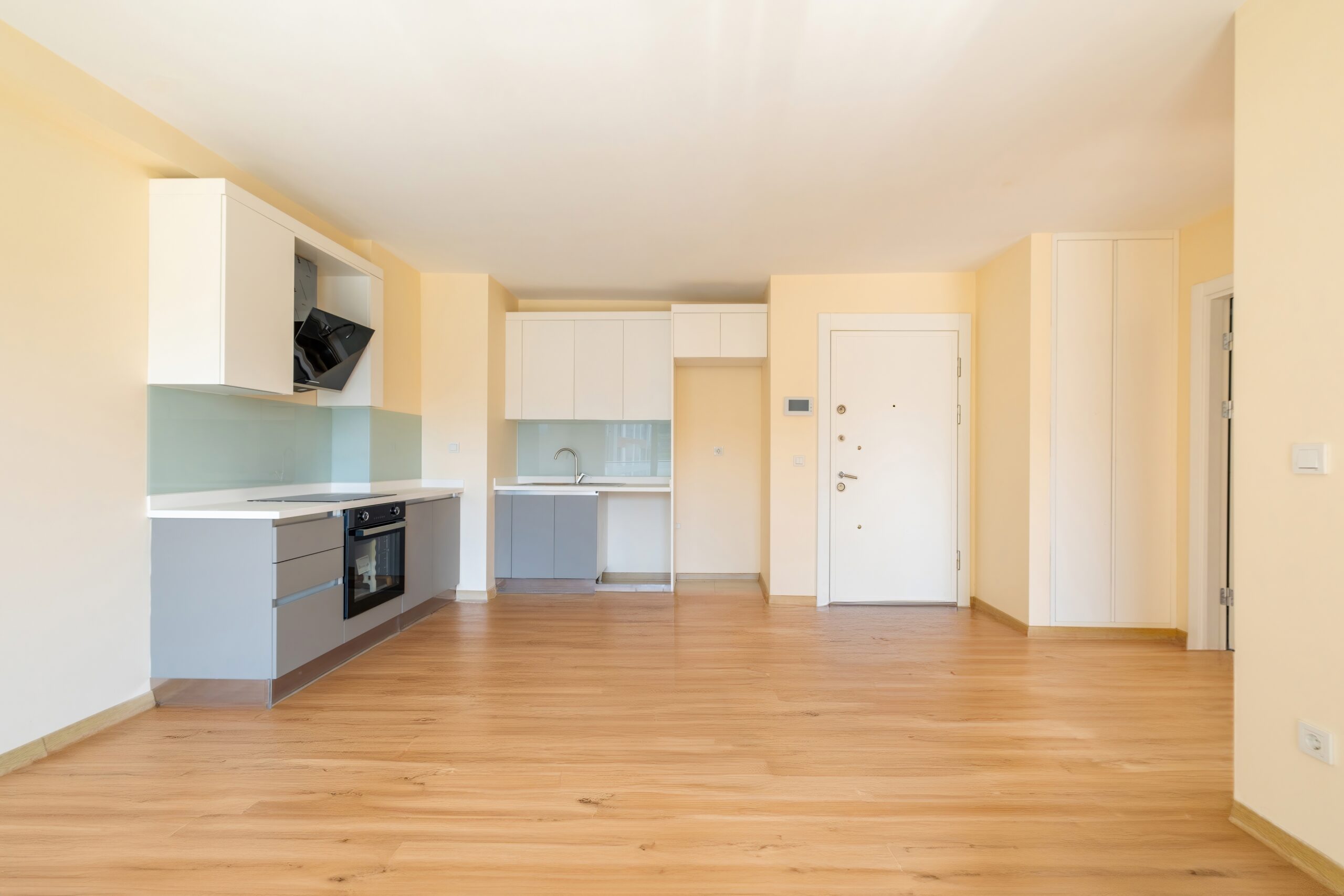
Tenant abandonment is when a tenant has vacated the property without giving any notice to the landlord. In a typical situation, the tenancy agreement should state that the tenant needs to give notice if they are going to be away from the property for more than two weeks.
When tenant abandonment occurs, it might be tempting to re-let the property as soon as possible to ensure a steady stream of rental income. However, the tenant who has left without notice remains the legal occupant even if they are no longer paying rent.
The loss of rental income is obviously a major problem for the landlord, especially if they have significant outgoings such as monthly mortgage payments.
It gets even trickier. Even when the tenant has vacated the property, the tenant’s rights remain in place. Therefore, landlords cannot enter the property to analyse the situation themselves without giving proper notice. The landlord can ignore this if there is a mitigating emergency circumstance such as a property fire, flooding or crime.
How to work out if the tenant has really abandoned the property
Even if it does leave you with a headache, it’s imperative for the landlord to work out and obtain proper proof that the tenant has vacated the property. Landlords will have their assumptions and gut feelings, but that alone is not enough evidence to support your claim.
Even the appearance of the property from the outside is not strong enough proof. It could be that the tenant has left to visit friends and returns during the night. There are also plenty of genuine reasons for the property to be empty for multiple days. For example, the tenant may have been admitted to the hospital for a significant period of time and is unable to reach out to you.
Indications that the tenant has left without notice
There are several signs and indications that the tenant has left without notice. These can include;
- Rent payments have stopped: Alarm bells should start ringing if the tenant suddenly stops their rental payments without giving any context or warning. The same can be said about utility bills.
- The property is free of possessions: The tenant has taken out the sofas and other visible items from the outside. This suggests the tenant is not living in the property.
- Communication difficulties: The tenant is ignoring messages, calls and notices from the landlord.
- Post building up: Mountains of post by the front door suggest the tenant is not inside the building.
- Information from neighbours: If you suspect the tenant has left without notice, it’s worth speaking to neighbours to see if they have noticed any activity or lack thereof. They may have seen a removal van taking out the tenant’s possessions or noticed the tenant not coming in and out of the property.
If any of the above have happened, then you need to record the information. A quick chat with the neighbour is simply not enough; you will need to obtain a written statement as proof. You may need to rely on this later in court. You can also gather records of unpaid rent.
How to confirm tenant abandonment
So, you suspect the tenant has left without notice, but you cannot simply re-let the property or assume the tenancy has ended. Under UK law, a tenancy does not end unless the tenant formally surrenders it or a court grants a possession order under the Housing Act 1988.
If you suspect abandonment:
- Attempt to contact the tenant using all known methods (calls, letters, emails).
- You may choose to leave a notice at the property stating your belief and inviting the tenant to contact you.
- However, this notice does not terminate the tenancy. Its purpose is only to initiate communication and record your reasonable steps.
- If you cannot establish contact or obtain written confirmation of surrender, you must apply to the court for a possession order.
- Changing locks or re-letting the property without a possession order or written surrender risks a claim of unlawful eviction, a criminal offence.
If the tenant has not abandoned the property, they should respond promptly to clarify their continued occupation. Both parties should keep written records of any communications.
There is no official process to end a tenancy based on abandonment without either a written surrender or court possession order. While landlords may issue letters or notices to document their efforts, these have no legal power to terminate the tenancy.
This notice can state your intention to apply to court for possession if no response is received. However, it must not state the tenancy is terminated unless a court order has been granted or the tenant has surrendered in writing.
If the landlord has unlawfully regained possession without a court order, the tenant may have grounds to claim unlawful eviction. If the tenancy was ended lawfully, the tenant would need to negotiate a new agreement to return.
This is why it’s vital for landlords to document all contact attempts, notices, and evidence of abandonment — to demonstrate they acted reasonably and lawfully if challenged in court.

How to deal with abandoned belongings
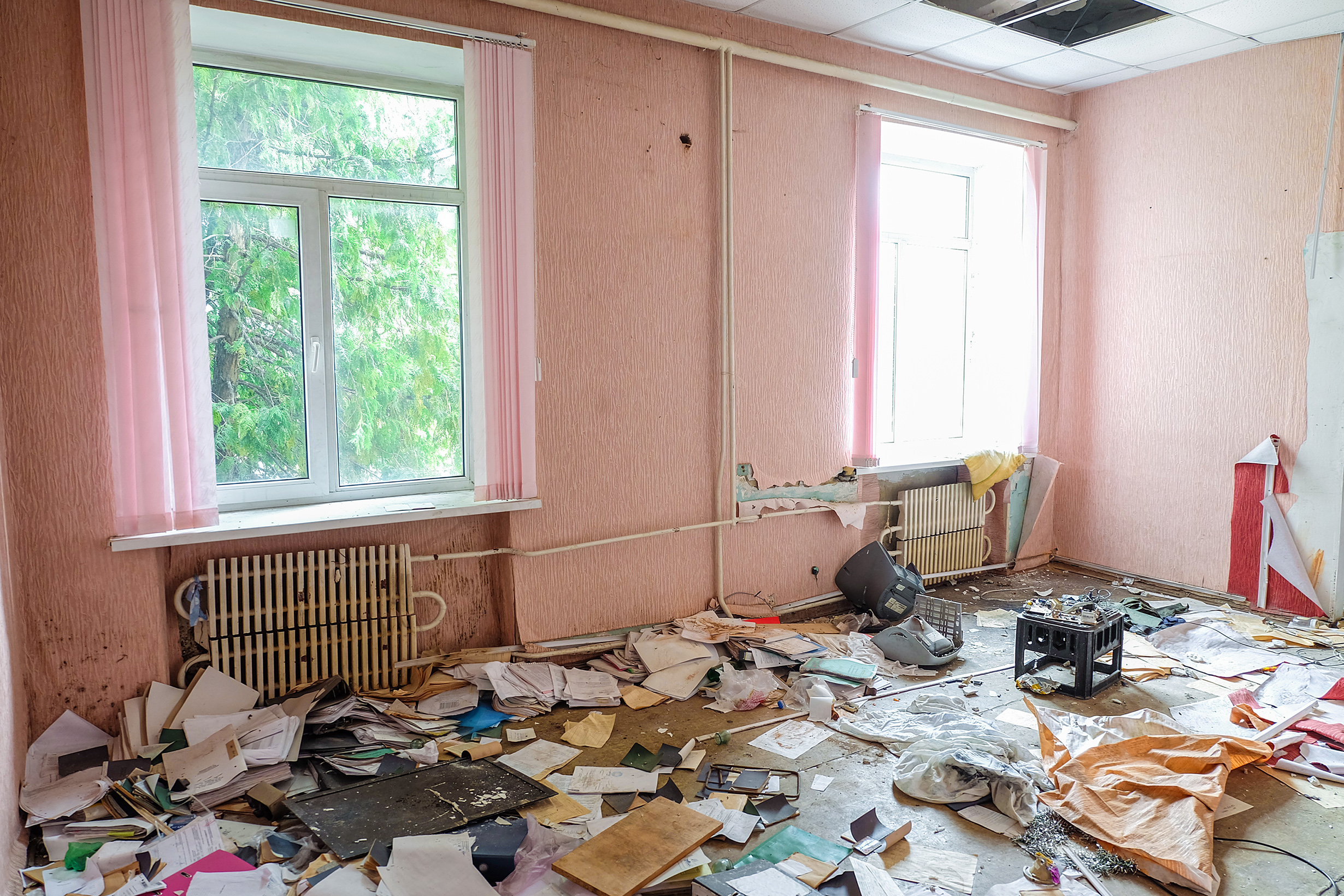
To add to the headache, landlords are probably going to have to deal with abandoned possessions. When the tenant has left without notice, they commonly leave behind some of their belongings for various reasons. Under the Torts (Interference with Goods) Act 1977, Landlords are legally obliged to look after the tenants’ possessions until they are returned to the tenant or have been disposed of properly.
In summary, landlords must try to return the goods to the tenant in the same condition they were found in. If that is not possible, landlords must remove the belongings fairly. Landlords should first review the tenancy agreement to see if it already includes guidance.
Serving a notice
Landlords must serve a notice about the left belongings, even if they are not sure about their whereabouts. A landlord can serve a notice under Section 12, Section 13 and Schedule 1 of the Torts (Interference with Goods) Act 1977.
In the unlikely situation that you know another/current address of the tenant, then you can send it there. But most likely, you’ll need to place the notice somewhere visible within the grounds of the property. For example, the landlord can place it in the window, which the tenant can see from the driveway. This allows the landlord to see it if they decide to come to the property.
The notice must explain the landlord’s intention to sell or dispose of the goods if they are not collected within a specified timeframe. The notice must describe the tenant’s left belongings, the location, and the location of the sale if that is the intended option. The landlord should give 21 days’ notice, but can extend that if they feel it’s appropriate.
Selling and disposing of the belongings
If the tenant gives you the all-clear, you can sell or dispose of their belongings. It’s vital you keep a record of this conversation in case the tenant disputes this at a later date. If the tenant does not respond to the notice and you’ve made reasonable efforts to contact them, you may dispose of or sell the goods — but you must:
- Hold any sale proceeds in trust for the tenant for a reasonable period (e.g. 6 years).
- Document all actions taken, including photos, valuations, and attempts to return the belongings.
- Use any proceeds only to recover reasonable costs (e.g. storage, removal), with remaining funds kept for the tenant.

How to document the situation to protect against future claims
It’s critical to carry out thorough documentation when a tenant has vacated the property without notice. Records will help protect you from potential legal disputes. To document correctly, we recommend:
- Writing up conversations with the tenant (letters, emails, texts).
- Taking evidence of abandonment (photos, videos, neighbour statements).
- Document notices issued and proof of delivery.
- Have an inventory of abandoned belongings and disposal records.
- Any changes made to the property, such as lock changes or repairs.
Getting ready to re-let
Once you’ve regained possession after your tenant has vacated the property, you will probably want to get it back on the rental market as quickly as possible to recover the lost income. There are some vital steps to take before you are ready to rent out to a new tenant.
You will need to inspect and repair the property. Where appropriate, you can use the deposit to offset any repair costs. You should then update your records and create an inventory list ready for the new tenant to arrive.
H2: Preventing future tenant abandonment
You can’t guarantee you will avoid tenant abandonment in the future, but there are some steps you can take to reduce the chances of a tenant leaving without giving notice. To reduce the risk of a tenant vacating the property without notice, follow these tips:
- Write a clear tenancy agreement: Ensure the tenancy agreement includes clear terms about notices, abandonment and non-payment of rent.
- Regular communication: Ensure you have a positive relationship with the tenant and address any issues or concerns as quickly as possible.
- Property inspections: Carry out inspections to monitor the tenancy.
This article provides general information. For a specific case, landlords should seek professional legal advice.
We have the expertise to find the best landlord insurance deals that are suitable for your needs as a landlord. Contact us today at 01788 818 670 for a quote, and don’t forget to visit our resource centre for more information on how to be a successful landlord.
We won't be beaten on any like for like landlord insurance quote.
Get a quote